Contact Info
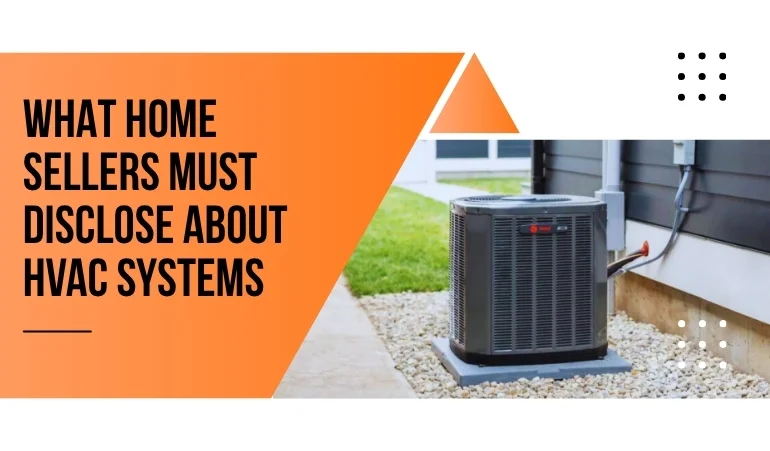
When selling a home, most homeowners disclose the material, windows, property condition, and legal compliance. They often overlook one important consideration that could cost thousands of dollars. This is the home’s HVAC system. It is one of the most critical systems in every home. Specifically in New Jersey, where both summers and winters bring extreme weather, a reliable HVAC system is a must-have.
In this guide, we will explore what home sellers must disclose while making a deal. We won’t include irrelevant things. We will focus on HVAC systems.
The system's age indicates how long you can rely on it. A system approaching 15 years means you have to spend thousands of dollars in the next few years for a replacement. However, lifespan varies by system type and brand. For example, air conditioners, heat pumps, furnaces, boilers, and mini-splits each have different lifespans. It also depends on the brand and model. Some systems last up to 25 years, while others last around 12 to 15 years. Homeowners should reveal every detail about their HVAC system for a transparent deal.
If a homeowner is reluctant, buyers can check it themselves via their smartphone. Find the serial number attached to both the indoor and outdoor units. Check the serial number on the brand’s official website. It will reveal all the nitty-gritty details of this unit.
The second most important thing is the maintenance. The seller should be transparent about the maintenance history. Ideally, the seller should reveal a complete maintenance schedule, which includes:
This information matters because a unit with neglected maintenance has a shorter lifespan, demands frequent repairs, and costs more energy for the same level of comfort.
Ductwork is a very important HVAC component. It distributes hot or cold air throughout the home. If ductwork is compromised, a lot of conditioned air escapes, leaving a little behind for home comfort. The seller should ideally reveal all the information about ductwork, including:
This information will help buyers make more confident buying decisions.
A home’s HVAC system is not limited to the equipment and ductwork. It also includes accessories and additional devices that support smooth performance and high efficiency. The seller should reveal this information. This actually helps the seller. Buyers are more interested in a house with modern HVAC facilities and add-ons for better climate control. The sellers should reveal:
This information helps the buyers understand the true value of the home’s HVAC system and associated components.
HVAC displays warning signs when components have issues or the system isn't working smoothly. These signs indicate the HVAC needs repairs. Sellers should disclose this information so buyers actually know the initial investment after finalizing the deal.
Here are the signs to disclose if they are actually present.
This disclosure helps buyers understand what repairs are required at their earliest convenience.
Home sellers usually focus on the home’s curb appeal while making a deal. They mention a beautiful kitchen, furnished walls, furniture articles, a ceiling, roofing, and flooring. But they rarely mention HVAC, one of the most critical assets for New Jersey homeowners. They should ideally disclose complete HVAC information, including age, size, make and model, maintenance history, ductwork condition, warning signs, and add-ons. Revealing this information prevents confusion and helps close the deal with more confidence.
Contact Lehigh HVAC for professional heating and cooling services in New Jersey.