Contact Info
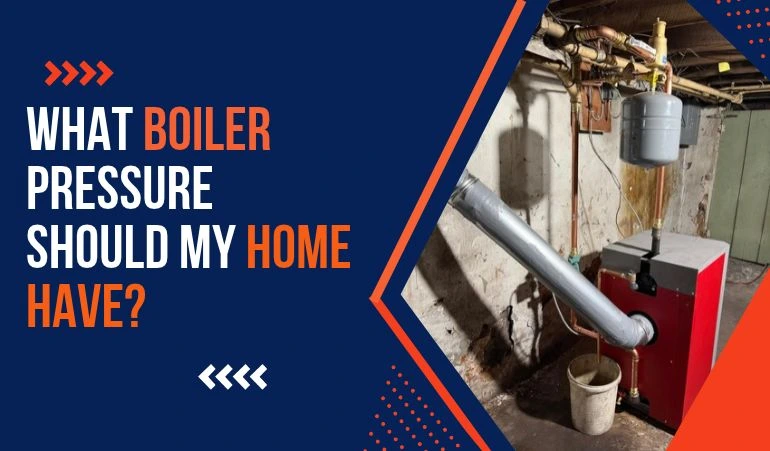
A normal boiler pressure for homes in Pennsylvania is between 12 and 15 PSI. It ensures that water flows at sufficient speed to keep warm air blowing from the fans. If the pressure is less than this range, the boiler struggles to keep the entire home at a comfortable temperature. The result is that some areas stay colder. The solution is to top up the boiler vessels with water to restore the normal pressure. Conversely, if the boiler pressure increases beyond this range, it poses serious concerns for the system. Specifically, exceeding 25 PSI can lead to component damage and even complete heating failure.
This was just an overview. Now, let’s look at the specific details.
Correct boiler pressure is essential to distribute warm air evenly to every zone where it is required. Here are some reasons that make keeping boiler pressure in the normal range essential.
Consistent Heat Distribution
Accurate pressure ensures that water reaches the upper floors and remote radiators, providing consistent comfort across every room of the home. It is important because lower-than-normal pressure leaves frequent cold spots.
Prevents Component Damage
Excessive pressure forces the pressure valve to open, which causes water leakage around the system. At one end, it creates moisture issues, and at the other end, it puts excessive pressure on the core components, such as heat exchangers, pipe joints, and expansion tanks.
Optimizes Fuel Efficiency
When pressure drops, air enters the system, forcing it to consume more energy. This puts strain on the components and incurs higher energy bills.
Protects Against Freezing Risks
Pennsylvania winters come with frequent freezing temperature snaps. The average temperature during the colder months is between 20°F and 30°F. If boiler pressure drops in such cold, the safety valve shuts the system off and leaves your valuable family members in the cold.
There are many cases when we notice some of the rooms at a cold temperature while some are at a normal, desired temperature. This phenomenon usually occurs due to lower pressure, which can result from any of the causes mentioned below.
Releasing trapped air or hydrogen gas from the system by bleeding radiators
Small water leaks in the system through joints and pipes
Failure of the expansion tank to absorb extra water, forcing water to come out
Cracks or loose components inside the boiler that create leaks
The solution to all these concerns is topping up the vessels with water until the pressure reaches the normal range. But before that, make sure you have fixed the primary cause that led to the pressure drop. Feel free to contact Lehigh HVAC for a detailed inspection and boiler repair service at 484-961-7044.
Boiler pressure spikes are much more dangerous than pressure drops. In fact, when the pressure approaches 25 to 30 PSI, all components are at risk. If not fixed promptly, it can lead to complete system failure, leaving your family without warmth.
Here are some causes of pressure spikes.
Failure of the expansion valve increases the pressure temporarily. The pressure eventually drops when the water escapes through leakage
An open or faulty filling loop allows water to creep up even if the boiler is turned off and already at normal pressure
Overfilling the boiler during regular maintenance or tune-up leads to enhanced boiler pressure, though it is a mistake on the technician's end
Whenever you see boiler pressure above the normal range, contact your local pros immediately. If technicians are late, bleed your boiler radiators yourself, following the expert guidelines by Lehigh HVAC technicians. Don’t just settle for the status quo. Ask your technicians to figure out the underlying cause and fix it as well before declaring the service completed. You can contact Lehigh HVAC for dependable heating solutions in Pennsylvania.
Correct boiler pressure is essential for normal equipment function. If pressure drops, the result is inconsistent comfort; specifically, the rooms on upper floors remain cold. If pressure exceeds the normal range, leakage, component failure, and complete system breakdown follow. The best practice is to figure out the core component that created these issues and fix it right there. Don’t ignore serious safety hazards. Call your local pros immediately whenever you notice such problems.