Contact Info
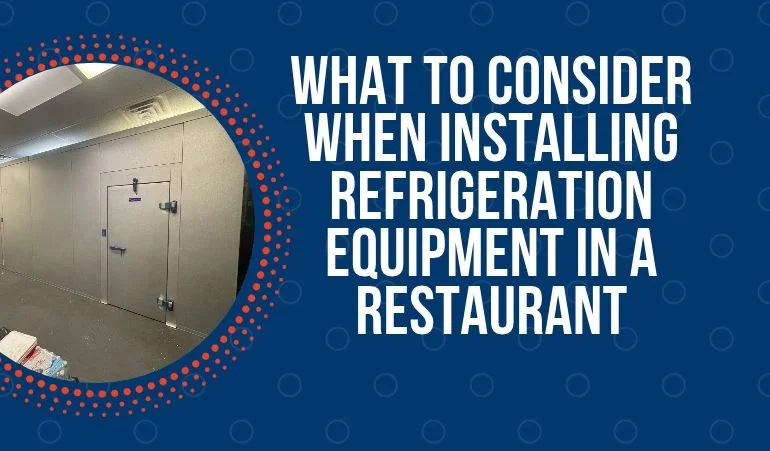
Restaurant refrigeration depends on something more than the number of goods and the total space. In fact, every item requires specific storage conditions. That’s why installing the unit without proper planning and strategy can create a mess.
Lehigh HVAC, one of the most reliable HVAC service providers, starts with a complete plan and strategy before starting the actual work. The same strategy was followed at Flaming Hot Halal Grill, a fast food restaurant in Pennsylvania. This blog explores a refrigeration planning guide along with how Lehigh HVAC completed it on a real project.
Start by identifying what the refrigeration system needs to store and how much space those products require. A restaurant handling fresh produce, raw meat, dairy products, and frozen ingredients may need multiple refrigeration zones rather than one general-purpose storage area.
Consider the following:
Fresh ingredients require appropriate refrigerated storage conditions.
Meat and seafood need suitable temperature-controlled storage and separation.
Dairy products require consistent refrigeration within food-safety limits.
Frozen ingredients need dedicated freezer capacity.
Prepared food may require separate storage arrangements to prevent cross-contamination.
Commercial refrigeration equipment comes in several configurations, and each serves a different purpose. For example, walk-in coolers provide larger storage capacity, while reach-in refrigerators offer convenient access to frequently used ingredients. Walk-in freezers support frozen inventory, and undercounter units can help kitchens where space is limited.
The right choice depends on your restaurant's:
Daily food preparation volume.
Ingredient storage requirements.
Number of employees using refrigeration.
Available installation space.
Expected business growth.
Restaurant kitchens generate considerable heat from cooking equipment, ovens, fryers, and other appliances. These conditions can affect refrigeration equipment, particularly when a condensing unit operates in an enclosed or poorly ventilated area. Before installation, evaluate the surrounding environment. Consider the proximity of heat-producing appliances, available ventilation, ambient temperatures, and the manufacturer's operating limits.
Commercial refrigeration equipment operates for extended periods and makes energy consumption an important part of the purchasing decision.
When comparing equipment, look at:
Energy efficiency ratings, where available.
Compressor and fan performance.
Insulation quality.
Door seals and closing mechanisms.
Defrost requirements.
Manufacturer maintenance recommendations.
Commercial refrigeration equipment has specific electrical and installation requirements. These should be reviewed before purchasing equipment or scheduling installation. Check the equipment's voltage, phase, amperage, circuit requirements, and disconnect specifications. The existing electrical supply must be suitable for the selected equipment.
A refrigeration upgrade can affect food storage, preparation, and daily kitchen activities. Restaurants that depend on existing refrigeration equipment need a clear installation plan to manage the transition. This may involve coordinating equipment delivery, preparing the installation area, arranging temporary food storage, and scheduling work to minimize disruption.
For Flaming Hot Halal Grill in Pennsylvania, Lehigh HVAC approached the commercial refrigeration upgrade through site assessment, installation planning, equipment installation, system connections, configuration, and final commissioning.
Once the equipment is installed, testing and commissioning should take place before the system is handed over. Technicians should verify that the refrigeration system starts and operates correctly, inspect its connections, and check relevant operating conditions against manufacturer specifications. Restaurant owners should also understand the equipment's temperature controls, alarm functions, cleaning requirements, and maintenance recommendations.
Choosing commercial refrigeration equipment requires a clear understanding of storage needs, kitchen conditions, electrical requirements, and expected operating demand. These considerations help restaurant owners make informed equipment decisions and prepare for a smoother installation.
Lehigh HVAC provides commercial refrigeration installation and upgrade services for businesses in Pennsylvania. From initial site assessment to equipment installation and commissioning, the team handles the work involved in preparing a commercial refrigeration system.