Contact Info
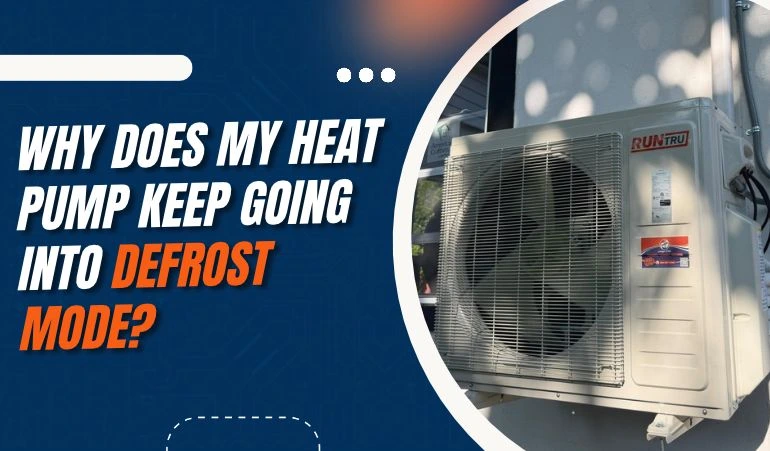
Heat pumps are the most popular HVAC systems in New Jersey for both humid summers and frosty winters. They use refrigerant lines to send warmer or colder air inside, depending on the requirements. While it is normal for every heat pump to go through defrost cycles, they usually last 5 to 15 minutes. If your heat pump goes into defrost mode frequently, this is due to some underlying causes that need to be fixed promptly.
This blog post covers the common causes of a heat pump going into defrost mode too often. It also lists the common troubleshooting steps for each cause.
When running in heating mode, the heat pump takes heat from the cooler outside and sends it towards the inside. When working for a few hours, frost builds up on the outdoor evaporator coil. This frost halts the normal process and puts an undue burden on the heating components. To combat this issue, the heat pump system runs a defrost cycle to eliminate the frost. A heat pump then runs in the cooling cycle and sends the warmer air towards the evaporator coil, which warms the ice and brings the temperature to the normal once again. As the system detects the temperature is normal, it starts the heating cycle once again.
Though the defrost cycle is part of the normal heat pump heating cycle, frequent defrost cycles can trigger complex issues. Here are some of the common causes of these issues explained.
The most direct cause for frequent defrost cycles is blocked airflow. If there is excessive dust, dirt, grime, and plant leaves near the outside unit, the airflow remains obstructed. The result is that the evaporator coils remain covered by frost, and the system has to start a defrost cycle more often to melt it.
The Solution
Check obstructions near the outdoor unit. If present, remove them to ensure proper airflow and normal defrost cycles. If the system is already optimized, look for other potential causes.
The heat pump relies on thermostat sensors to detect temperature and decide when to start the defrost mode. If these sensors are faulty, the system can’t detect the right temperature, and that’s why the system keeps going into defrost mode too frequently.
The Solution
Inspect the thermostat sensors for any visible damage, wear and tear, or buildup. If found, replace them. Otherwise, keep inspecting for the next possible cause.
The heat pump relies on the refrigerant to transfer heat between inside and outside. If the refrigerant is low due to leakage or any other problem, the system can’t easily transfer the heat between inside and outside. The result is the same: the system keeps going into defrost mode repeatedly.
The Solution
Check refrigerant levels and the possibility of cracks and leaks. Seal the refrigerant line properly and fill the refrigerant to ensure normal operation again.
If the unit is not the required size according to the residential or commercial space requirements, the system struggles to keep up with the demand. This results in overuse of the defrost cycle to compensate for the system's performance.
The Solution
Check the Manual J load for the system. Understand the heating and cooling demands of the space according to square footage and number of rooms. Replace your existing HVAC system with the correct system or add the relevant zoning technology so the system can continue to work smoothly.
Follow the tips by Lehigh HVAC to prevent such issues in the future.
Clear snow, ice, and fallen debris from around the outdoor unit promptly after winter storms
Maintain adequate clearance by trimming surrounding bushes, tall grass, and shrubs
Prevent roof runoff water from dripping directly onto the top of the outdoor coils
Avoid manually scraping or chipping heavy ice off fragile unit fins to prevent permanent damage
Elevate the entire outdoor unit several inches above local average snowfall levels
Schedule professional annual maintenance checks before the winter heating season begins
In a chilly state of New Jersey where heat pumps frequently encounter heating issues, Lehigh HVAC always remains ready and prepared to fix heat pump issues whenever homeowners or business owners need it. Our technicians are licensed, services are prompt, and financing options are wonderful. Contact us at 848-361-4707 to book emergency heat pump repair service.