Contact Info
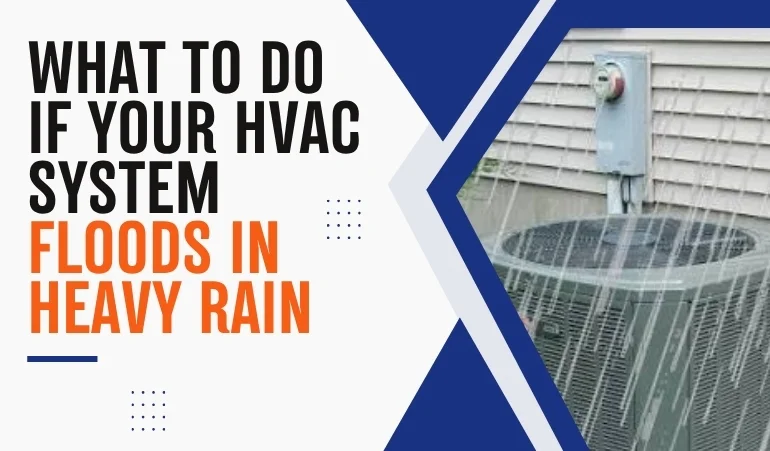
Water is not good for HVAC. It promotes corrosion, damages expensive components, and renders the complete system nonfunctional. This is why most homeowners and business owners panic after seeing their HVAC flooded. We hope you never face such a stressful situation. But if it happens to you, don’t panic; act fast. This blog covers the urgent steps to take when your HVAC system floods in heavy rain. It also explores how to get the system restored to normal working condition.
Follow these useful tips from Lehigh HVAC and prevent your investment from going down the drain.
Slight rain usually has nothing to do with the HVAC system. But when rain is heavy enough to keep your system flooded, it can have adverse consequences. The causative agent is moisture, which seeps inward and damages the internal components. Here is how rainwater flooding affects HVAC.
Once you see your HVAC system flooding in rainwater, the next few minutes matter. Here is what you should do immediately to prevent safety hazards.
Turn off the system at the circuit breaker level. It cuts off the power supply to the HVAC system. Do the same no matter which type of HVAC system you possess. Whether it is a central air conditioner, heat pump, furnace, or a commercial rooftop unit, cutting the initial supply is mandatory. It prevents electric shock from the system.
Once you shut down the system, don’t restart it in the wet condition. Doing so can again risk electric shock, which can be damaging to both the HVAC system and your family members if they approach the unit unintentionally. The local code compliance authorities in New Jersey also strictly prohibit getting in touch with or operating any electrical appliance in a wet condition due to shock risks.
Once the rain stops, approach the unit and clean it completely, provided it is disconnected from the power supply. Remove standing water from the unit, clean away debris and leaves, and wipe out the buildup. Using a garden hose with gentle pressure is also recommended to clean away all the possible dirt, grain, and particles thrown at your HVAC system by rainwater.
After you protect your system during the rain and secure it from electrical damage, then comes the time for complete restoration. It is time to identify damage caused by the water and to combat that damage. Here is what Lehigh HVAC recommends doing at this stage.
This is a straightforward yet most essential step once you recover the system after flood damage. Start with the equipment and its core components. Inspect every part, including the blower motor, compressor, evaporator coils, condenser coils, refrigerant, and thermostats. Also check the associated ductwork and electrical connections for any damage. The professional inspects every part, checks its performance, and makes a detailed report of any damage.
Once the inspection is complete, fix the problems one by one. The technician repairs or replaces components, checks their performance, connects them, and moves to the next. The process covers HVAC equipment, electrical setup, plumbing connections, and ductwork. The ductwork especially requires replacement in many cases, as moist ducts promote fungal growth that restricts airflow and spreads harmful spores inside the home, lowering indoor air quality.
Capture photos of the rainwater, HVAC damage, technicians working, and all related scenes. Combine this visual evidence with repair service bills and documentation for insurance. Additionally, maintain the record in an accurate condition to prevent voiding your warranties. Insurance works only if your insurance plan clearly mentions that damage due to rain is included.
Floods due to heavy rain are common in New Jersey. The rainwater can promote corrosion and fungal growth inside the HVAC system. To prevent accidental damage and hazards, shut off the system immediately. Once the rain stops, clean it, call a professional, get it restored, and claim the insurance. It will help you recover the money spent on repairs and prevent your family from being in discomfort another day.
Call Lehigh HVAC to restore heating and cooling units after heavy rain floods. Book your appointment at 848-361-4707.