Contact Info
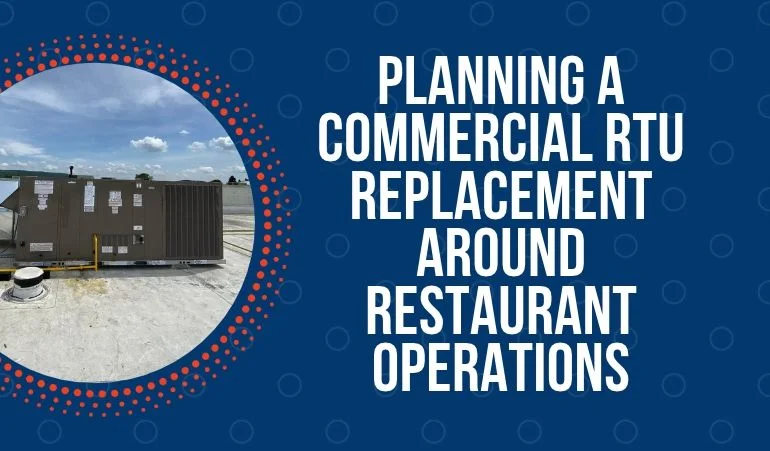
Replacing a rooftop unit at a running restaurant is something different than HVAC installation at a vacant business facility. Arranging equipment, preparing space, mounting the units, and making electrical and plumbing connections—everything requires a totally different approach to minimize disruption to the dining experience and kitchen activities. If you don’t plan, sudden plans can create a mess and cause big trouble for both the service provider and the restaurant staff.
Lehigh HVAC recently finished a similar project where a 10-ton rooftop unit was required to be replaced at a running rooftop branch at Flaming Hot Halal Grill, a 5,000-square-foot restaurant in Pennsylvania. The unit was in place for over 25 years. Lehigh HVAC technicians assessed the old unit and completed the new installation carefully without interfering with the restaurant operations.
Here is what to consider while planning a commercial RTU replacement around restaurant operations.
Before choosing the schedule, ask the business manager about the operational schedule of the restaurant. Inquire with him about the busiest hours, when the staff takes breaks, or when the restaurant is off. These questions are important because installing a new unit requires disconnecting the existing connections and making the new connections. In the meantime, all the HVAC operations are turned off.
Here is what to consider.
Opening and closing hours
Peak dining periods
Kitchen preparation schedules
Staff and delivery access
Areas affected by HVAC downtime
For some restaurants, working in the evening or night is practical. Some others prefer working during the day but with a scheduled closure.
A site assessment is compulsory before installing the new unit. It helps technicians understand what factors led to the failure of the existing unit. Furthermore, it discloses the actual condition to the working team, including climate, space constraints, building symmetry, and architectural style. These factors help the technicians better plan the installation at the client site.
Here is what to focus on.
Existing RTU condition and capacity
Compressor and refrigerant issues
Electrical and mechanical connections
Roof access and equipment placement
Available workspace for technicians
Requirements for the replacement unit
At the Flaming Hot Halal Grill project in Pennsylvania, we noticed that the old unit was 25 years old with a 10-ton capacity. The equipment malfunctioned frequently, performed at less than the required efficiency, and demanded frequent repair services.
Once you have a clear schedule in mind and have already assessed the old unit's condition, the next step is to plan equipment access and removal. Commercial rooftop unit removal requires equipment rental, such as a crane, hooks, and other commercial-grade equipment to perform the installation correctly. Here is what you need to plan.
Equipment delivery and staging areas
Safe access to the rooftop
Removal route for old equipment
Space for tools and installation materials
Coordination around customer and staff areas
Choose the new unit and prepare it for installation before the old unit removal. It makes the process easier and helps technicians finish it hassle-free. Here is what to consider at this stage.
Confirming equipment specifications
Reviewing installation requirements
Checking electrical and mechanical connections
Planning equipment positioning
Coordinating delivery and lifting arrangements
Preparing for system startup and testing
None of the commercial HVAC projects are completed without testing and commissioning. Commissioning requires checking every component's condition, placement, and operation. Technicians ensure that every component is working as intended and that the temperature or the airflow is set the right way. Once they are sure that the equipment is working as intended, they declare the project completed.
At our commercial project at Flaming Hot Halal Grill, a senior HVAC engineer evaluated the completed work done and commissioned the unit according to the quality control criteria we follow.
For your commercial HVAC project, you need a team that is knowledgeable, certified, and insured. The Lehigh HVAC team is the same. Give us a call today to discuss more about how we can contribute to your commercial comfort.