Contact Info
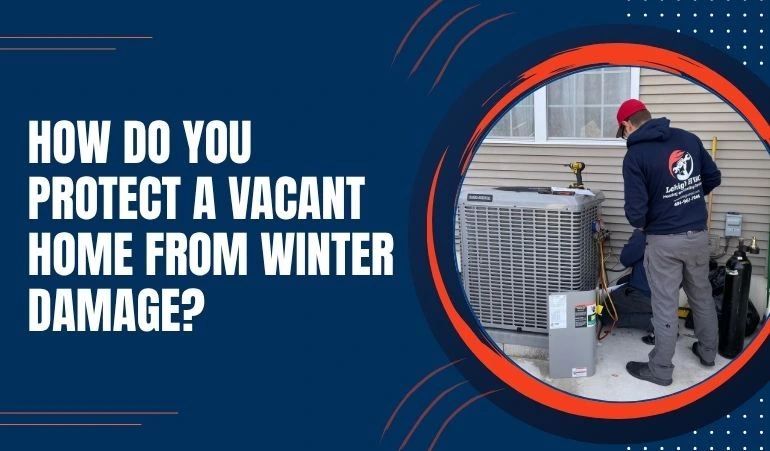
When winter turns harsh in New Jersey, HVAC systems come under direct attack. From performance issues to electrical and plumbing failures, multiple issues appear at once. Whether you have a heat pump, furnace, boiler, or a mini-split system as your heating source, you can’t prevent winter damage without taking the necessary preventive measures. While winter affects all HVAC appliances, the systems that stay idle are more vulnerable to damage.
This guide helps you keep your heating systems protected from the winter effects by taking a few DIY steps.
Just before leaving your home vacant in New Jersey, make sure it is in top condition. Call a technician and get it inspected for any potential issues. Pay special attention to plumbing leaks, electrical components, and ductwork. Ice can build up and damage the components even if there is a small hole, leak, or crack in the lines. Make sure the system is in optimal condition while you leave the house so there are minimal chances of winter damage.
Plumbing pipes in the basements, crawlspaces, garages, and utility rooms are specifically vulnerable as the temperature drops to sub-zero. Make sure you protect these utilities completely before making the home vacant. Here is what Lehigh HVAC suggests in this regard.
Insulate exposed water pipes.
Seal gaps that allow cold air inside.
Disconnect and drain outdoor garden hoses.
Locate the main water shutoff valve.
Inspect vulnerable plumbing for leaks.
To better protect all plumbing lines, hire a professional contractor. Feel free to contact Lehigh HVAC if you need expert assistance anywhere in New Jersey.
If there are small cracks and drafts near windows, doors, ceilings, and in the walls, they offer entryways for cold air to reach inside. This cold air then displaces the warm air inside and exposes the utilities inside to colder temperatures. If moisture comes into contact with these equipment components at lower temperatures, it results in ice formation around the unit, which exposes critical components to massive damage.
To prevent this issue, make sure you have filled all the cracks and gaps in your home.
Winter storms can damage roofing, gutters, and drain lines, causing water to build up near the foundation of the house. These damaged areas offer easy entry for water into the inside through these vulnerable areas. Inspect the roofing and gutters before leaving the home vacant, and make sure they are not in a weak condition that could be damaged by a snowstorm. And soon after the snowstorm ends and the snow melts, schedule an inspection service once again to confirm the damage done to these areas.
Though remote monitoring is helpful, it can’t replace manual visits and inspections. Ask your neighbors or trusted individuals to visit your property and check if there are major risks or if some components have already suffered. Ask the caretaker to look for these issues.
Unexpected drops in indoor temperature
Water stains or damp flooring
Heating system alerts or unusual noises
Roof damage and drainage problems
Broken windows or signs of intrusion
If they report any of these or related signs, get your house inspected and fixed for possible issues.
Lehigh HVAC is a professional agency, serving New Jersey with a wide spectrum of heating services. Our winter services include heat pump services, furnace services, and boiler services. Beyond this, we keep our emergency services open 24/7, so New Jersey homeowners never have to face the cold alone. You can contact us at 848-361-4707 to book an appointment or get an estimate.