Contact Info
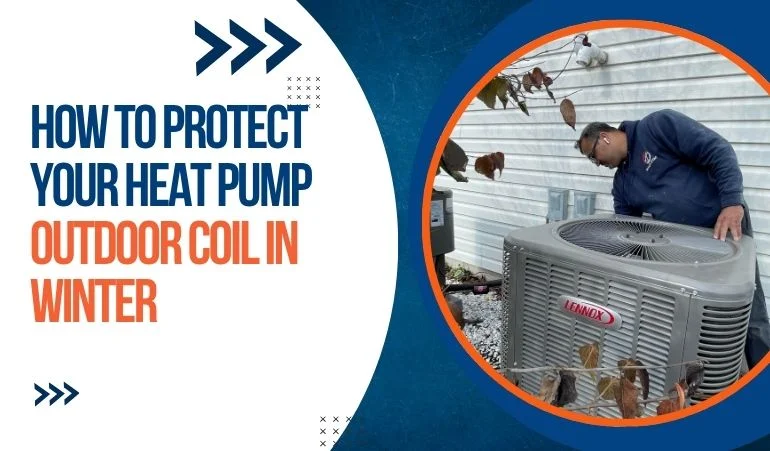
New Jersey winters are hard on outdoor HVAC components. Snow, ice, and freezing rain keep outdoor coils continuously moist and humid. Though a small amount of frost on the outdoor unit is normal, excessive frost due to ice or water buildup is a sign of a problem. It blocks airflow, corrodes components, and interferes with normal HVAC operation. Shutting the system off, waiting for it to thaw completely, cleaning it, and then restarting it can be frustrating. Our customers at Lehigh HVAC often ask how to protect their heat pump outdoor coils from winter weather. The good news is that you do not need special or expensive covers, nor do you need costly add-ons. This guide provides practical steps to ensure your system stays protected.
The heat pump outdoor coil is an essential component in the heating process. Your system extracts heat from the outdoor environment and transfers it indoors through refrigerant lines or ductwork. This conditioned air maintains a comfortable temperature in your indoor space. If moisture freezes on the outdoor coil or if leaves and debris cover it, airflow becomes restricted and disrupts the entire heating process. Maintaining a clean, unobstructed outdoor coil is essential. Here are several key reasons to keep this coil protected:
Ice buildup forces the heat pump to work harder, increasing monthly energy bills.
Trapped moisture and debris accelerate metal corrosion and coil damage.
Excess stress on internal components shortens the overall lifespan of the system.
Severe frost formation triggers frequent and inefficient defrost cycles.
Follow these six steps to protect your heat pump outdoor coils from winter weather effects:
Check the outdoor unit soon after a snowstorm ends. If it is covered with snow, leaves, dirt, grime, or other buildup, clear it immediately before material accumulates and blocks airflow. Use recommended tools and gentle techniques to prevent damage to any unit components.
Your heat pump requires balanced outdoor airflow to operate efficiently. Maintain a clear clearance of at least three feet around the outdoor unit. Promptly remove any firewood, boxes, patio furniture, trash bins, or other objects within this area.
Location plays a critical role in protecting your outdoor unit. If placed directly beneath a roof edge, gutter, or overhang, dripping water can continuously fall onto HVAC components. Water droplets freeze in sub-zero temperatures and restrict airflow. If this occurs, consult an HVAC contractor or a roofing professional to adjust drainage or relocate the unit so runoff does not fall directly on it.
If you see ice on the outdoor unit, do not scrape or chip it away using screwdrivers, knives, or sharp tools. Heat pumps feature built-in defrost mechanisms designed to melt ice safely. Allow the automatic defrost cycle to run. Once the ice thaws, clean any remaining moisture or debris from the unit. If the system experiences unusually long defrost cycles or shows signs of malfunction, contact a qualified HVAC technician.
Winter storms can deposit leaves, branches, and debris around your outdoor unit, restricting airflow and disrupting operation. Inspect the outdoor unit after a storm subsides, clear away debris, and verify that the unit remains level and free of heavy ice accumulation.
Regular maintenance by an experienced HVAC technician ensures that your heat pump operates at peak efficiency during the cold months. A technician will inspect refrigerant levels, check electrical connections, test the defrost cycle controls, and thoroughly clean the coils to prevent unexpected winter breakdowns.
Protecting your heat pump outdoor coil during the winter does not require complicated equipment or expensive covers. By keeping snow and debris clear, avoiding harsh scraping, preventing roof runoff, checking after storms, and relying on professional maintenance, you can maintain optimal airflow and efficiency all season long. Taking these practical steps will extend the life of your system and keep your home comfortably warm throughout the coldest months. If you need heat pump service in NJ, contact Lehigh HVAC.