Contact Info
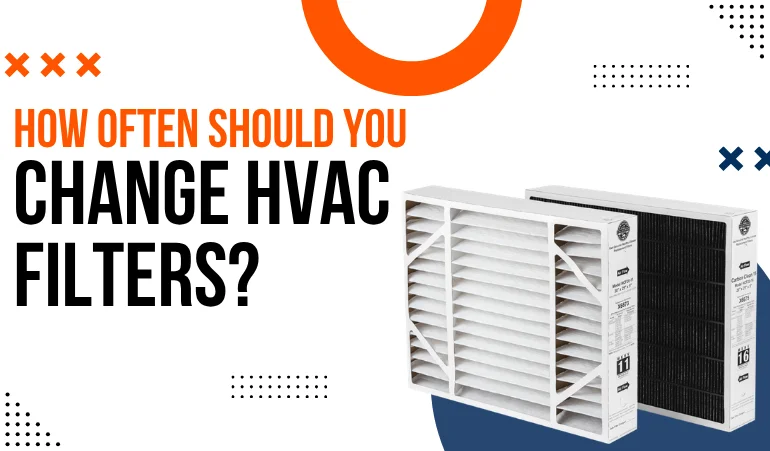
Regular replacement of HVAC air filters is essential for optimal performance and consistent comfort. It maintains a healthy air inside, improves efficiency, and reduces energy bills. In Pennsylvania, the replacement frequency is often increased due to weather fluctuations, temperature changes, and high pollutant concentrations. If not replaced regularly, both your HVAC system and your health are at risk.
But how will you know when the ideal time is to get those filters replaced? This blog is to answer that question. We will guide you about the ideal frequency for various scenarios.
HVAC air filters are porous devices made of fiberglass or pleated paper. Their primary function is to trap dust, pollutants, pet dander, and other contaminants. For this purpose, filters are placed in the return air duct immediately before the air handler or blower compartment. These filtration devices are important for every HVAC appliance because they:
How often you need to replace HVAC filters depends on your home and your lifestyle. The following are some factors that directly affect this frequency.
The type and quality of the filter directly decide when it demands replacement. Air filters are generally graded by MERV (Minimum Efficiency Reporting Value) rating. The best air filters have a higher MERV rating. They can effectively trap microbial agents such as bacteria, viruses, and smoke particles. Such filters fill up quickly and demand a faster replacement. On the other hand, a filter with a low MERV rating takes time to fill up with debris, which is why it can last longer. The material, size, dimensions, and other characteristics of the filter also matter here.
It also depends on the component. For example, how long a furnace filter lasts may differ from that of an air conditioner or a heat pump.
The HVAC systems that run longer during humid PA summers or frosty winters require more frequent filter changes. It is because as the system runs more, more air passes through, and the filters trap more particles. On the other hand, if a system stays idle most of the time, it requires filter changes less often due to less component wear and tear.
Air filter replacement also depends on the season. For example, pollens are higher in the spring. Filters work harder to trap those pollens, preventing their access to the indoor air. As a result, there is a faster buildup on filters, and they need frequent replacement. Similarly, if you are located in a highly polluted city such as Reading, you need rapid replacement.
If you have pets in your house, your residential HVAC system demands more frequent air filter replacement. This is because your filter now also traps pet dander, increasing the total buildup trapped each day. The result is again faster filling of the filter's porous surface and faster replacement needs.
If someone at your home or commercial facility experiences allergic reactions or respiratory problems such as asthma, you need to replace your HVAC filters rapidly. It is because there is already poor indoor air quality in your space. Ideally, you should replace air filters every 30 to 60 days in such cases.
What's going on inside your home also affects how often you should replace your HVAC filters. Activities such as smoking, cooking, or wood burning produce more particles in your space. As a result, your filters demand replacement more frequently.
As we have learned, the need for replacement varies by conditions. Here is a general replacement frequency guide.
Your HVAC system needs replacement every 30 days if:
Your HVAC system needs replacement every 60 days if:
Your HVAC system needs replacement every 90 days if:
General Rule of Thumb
Check your air filters every month. If it looks grey or covered, replace it immediately, regardless of the timeline. Additionally, choose thicker and larger filters if you want them to last longer. You can also monitor airflow to predict the next replacement.
The 30-Second Test
If you notice dust around your air filters, it means your filter is not capturing particles effectively. For standard filters, you can confirm this with a simple test, which takes less than a minute. Here is what to do.
Ready to breathe healthier? Schedule a professional service with Lehigh HVAC. Our technicians will inspect and replace your filters professionally. Plus, we will guide you on which filters you should use for your residential or commercial HVAC system.