Contact Info
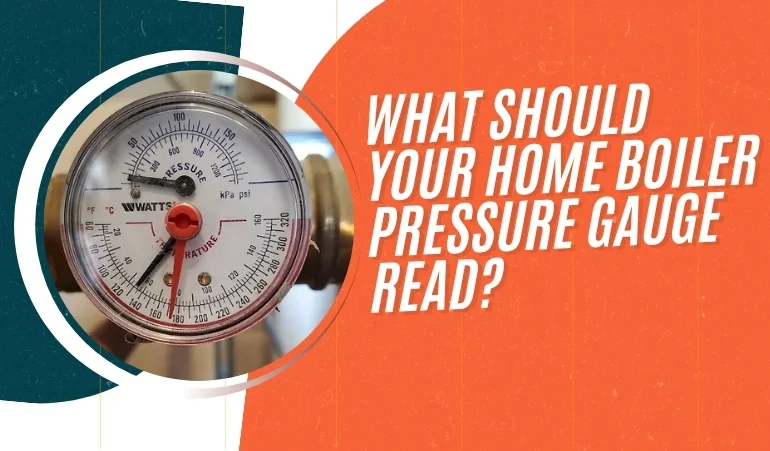
Have you ever noticed readings on the boiler gauge? What do these readings show, and what do they mean for your boiler system? This reading shows the pressure, a vital sign in boiler performance. When the reading is lower or higher than normal, the heating system has some issues. The likely culprit behind this is the expansion valve. If neglected, it can create bigger problems later on. This blog educates you on what your boiler gauge readings mean for your heating system and how to maintain it in the normal range.
Boiler pressure readings differ when it is cold vs. when it is hot. The reading is a bit lower when the system starts and increases gradually. Here are the normal readings at various intervals.
Normal Cold Temperature
The normal pressure range at the cold stage is 12–15 PSI. It shows the system has enough water when it just starts.
Normal Hot Temperature
As water warms up, it expands and puts more pressure. As a result, the reading of the gauge slightly increases to 18–22 PSI.
Green Zone
Most modern boilers show a green zone for the safe operating limits. The usual readings in this zone are around 30 PSI.
If you notice lower-than-normal pressure on the gauge, it means the water inside the boiler is not of the required quantity. It can be due to a variety of reasons, including water leaking through the relief valve, repeated radiator bleeding, or a slow leak. Regardless of the issue, you need to top up the water through the fill valve. But this should never be made a habit. Always find the root cause and fix that rather than just filling the water every time you notice a declining pressure.
If you notice the reading on the pressure gauge crossing the upper hot limits, it translates into two causes. First, your fill valve is open, and it is overfilling the water. Second, the expansion tank is failing and not absorbing the extra pressure. In both cases, extra water puts pressure on the walls and components, and you see a higher reading on the pressure gauge. The temporary solution to this problem is to bleed the radiator valve. But the permanent solution lies in identifying the core cause and fixing it before you bring the pressure to normal by bleeding the radiator.
Keeping a close eye on your boiler pressure gauge is very important. It prevents safety hazards, keeps the system performing at its best, and keeps the energy bills in control. Here is what makes watching the boiler pressure gauge closely important.
Preventing Safety Hazards
If pressure climbs higher and higher, crossing the upper limit, it can strain valves, pipes, and critical internal components. At very high pressure, the relief valve can cause leakage of warm water. We have also seen water leakage from the pipes as well, in many cases.
Catching Hidden Leaks Early
If pressure issues are left ignored, they can trigger safety switches and lock out the boiler system. Then you need to call a professional, check the system out, find the actual cause, and restore the fault-free boiler. In the Pennsylvania market, where boiler replacement costs range from $3,500 to $10,000 installed, while boiler repair costs range from $150 to $1,200, such service calls are nothing less than a nightmare. Keeping a close eye on the pressure gauge prevents these emergency service calls.
Saving Energy Bills
When boiler pressure increases or decreases compared to the normal range, it decreases efficiency, consumes more energy, and incurs higher energy bills. Keeping a close eye on the pressure gauge helps monitor pressure and keep energy bills under control.
Extending Equipment Lifespan
Pressure surges strain the components and lead to faster wear and tear and reduced appliance lifespan. When you keep a close eye on the pressure gauge, such pressure surges are controlled, and hence the component wear and tear is minimized.
Whether you notice higher or lower boiler pressure gauge readings, Lehigh HVAC can fix it right. Contact us at 484-961-7044 to book a service.