Contact Info
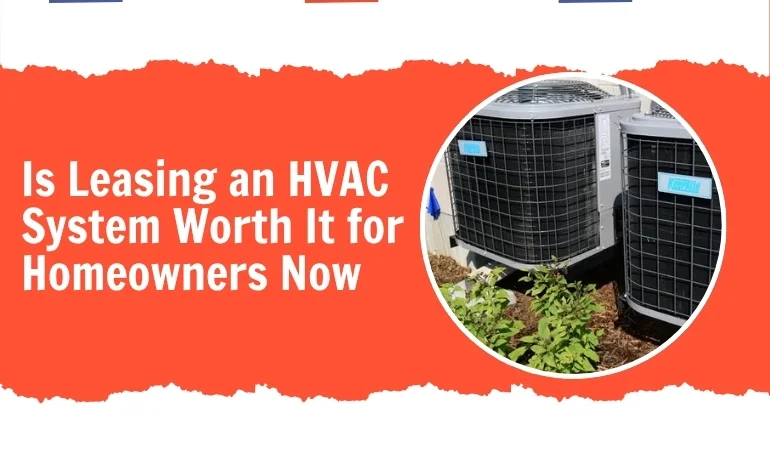
Due to continuously increasing equipment and installation costs, homeowners are attracted to zero upfront offers. Some choose 0% financing, some prefer loans, and some reduce the cost burden by seeking aid through rebate initiatives. A large number of homeowners try to find some relief in leasing an HVAC system. It seems pretty good, as you pay nothing upfront and get maintenance agreements as well. But it has its downside too, which includes a higher lifetime price, contract traps, and lost rebates. The good news is that there are also some better alternatives to leases in some special scenarios.
In this blog, we will be discussing all this stuff. The data is directly sourced from the technicians at Lehigh HVAC and is based on their practical experience in New Jersey.
An HVAC lease is just like a car lease. It is an agreement between the homeowner and the HVAC company. The company pays for the equipment and installation charges. The homeowner then pays a specific amount every month. The contract length can vary, depending on the total amount. It can be around 5 years, 10 years, or even more sometimes. The type of contract can also vary. Once the agreement reaches its end, the company either renews the equipment or the homeowner gets the ownership, depending on the contract and the policy.
HVAC leases are beneficial for a lot of homeowners seeking ways to reduce the cost burden. Here are some benefits that make this option worth considering.
As we mentioned earlier, leases are associated with zero upfront charges, usually. The company pays the entire amount, from equipment cost to installation and permit charges. The homeowners get a brand new, functional HVAC system installed in their living space without spending a single dollar.
Most HVAC lease agreements come with a maintenance agreement included. It offers two main benefits. First, it is great for busy homeowners as it makes them carefree regarding the maintenance, cleaning, and filter changes of their newly installed system. All this is the company’s responsibility. Second, it also reduces the cost burden that homeowners could otherwise have to spend every month for HVAC maintenance.
In an HVAC lease agreement, homeowners have to pay a fixed amount every month. They are free from the hassle of emergency breakdowns and unexpected costs. All this is the company's headache. It allows homeowners to plan their monthly expenses easily and leave a fixed amount for the lease payments. They can have peace of mind, knowing they won’t have to pay anything additional for emergency repairs or replacements.
An HVAC lease is not 100% good. It also has some disadvantages that might prove a nightmare for NJ homeowners. Here is what you should keep in mind before signing the agreement.
The total cost a homeowner pays in the lease agreement exceeds what he would have spent if he buys and installs the system himself. HVAC lease plans consider multiple factors while calculating the total cost, including price trends in the upcoming years, lease term, and the initial cost. This makes the total cost much higher than the actual equipment and installation charges.
Lease agreements have certain penalty fees if the homeowner tries to break the agreement before the term ends, sells his home, or fails to make payments on time. This contract trap keeps the homeowners bound in terms of the regular costs as well as resale boundaries.
HVAC rebates, federal tax credits, and energy incentives usually go to the lease company when in the agreement. It keeps you from claiming up to thousands of dollars that you could have otherwise earned if you own the HVAC system.
An HVAC lease is not the only option for making installations affordable. There are multiple alternatives as well. Let’s have a look at some of them, which are genuinely helpful for NJ customers.
Many companies in New Jersey offer financing options to lower the initial costs. Some government initiatives also offer financing for average-income families to make HVAC upgrades affordable. Electrification companies also offer fantastic low-interest financing options to discourage use of fossil fuel appliances and promote their electric alternatives, such as heat pumps.
The Good News
Lehigh HVAC offers 0% financing for up to 12 months with $0 down payments. We work with GreenSky to make HVAC services affordable in New Jersey.
HELOC is also a better alternative to HVAC leases in many cases. A home equity line of credit secures a lower interest rate than the equipment lease, and that’s why the total amount associated with it is usually less.
An HVAC lease has both advantages and drawbacks. The benefits include zero upfront cost, maintenance covered, and predictable payments every month. The drawbacks include lost rebates, a higher price overall, and boundaries. The alternatives to this lease option can be traditional financing and home equity line of credit (HELOC) options. Completely understand the equipment lease and available alternatives before you sign an agreement.
For professional HVAC assistance, feel free to contact Lehigh HVAC.