Contact Info
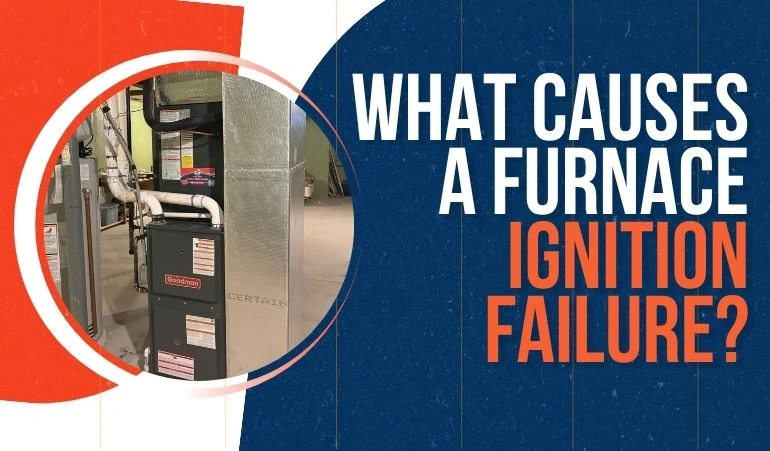
When New Jersey winters are reaching their coldest temperatures, the least you expect is a furnace breakdown. A failure for even a few hours can leave your loved ones in the shivering cold. At the same time, furnace problems are much more common in the New Jersey region. So, the right approach is to keep both your furnace and yourself prepared to handle any inconvenience promptly and the right way.
Here is a brief overview of what causes furnace ignition failure problems and how to fix them. The blog also covers the long-term effects of ignition failure on the system.
When a furnace stops working as intended, the toughest job is to identify the underlying cause. It could be electrical failure, an outdated component, or just neglected maintenance. The section below uncovers some of the common causes of furnace ignition issues that we have noticed ourselves while working on client projects in New Jersey.
The gas line delivers the fuel from the fuel chamber to the ignition components. If there is a blockage in this line, the ignition process fails due to a lack of sufficient fuel supply. To fix this issue, let a certified HVAC technician inspect the blockage and repair or replace the line depending on the current condition.
The thermostat dictates to the furnace components when to initiate or stop the heat generation process. These signals are initiated after measuring the current temperature in the space. If the thermostat is faulty, it fails to send the correct signal to the relevant components. The result is that it fails to initiate the heating process.
Gas burners create the flame that further consumes the fuel, generates heat, and turns the cold air collected through return air ducts into warm air and distributes it back to the rooms where it is needed. If the burners are themselves clogged with buildup or residue, they can’t produce the flame. To fix this issue, clean the burners after the furnace is cool or replace them if they are outdated.
Though often overlooked, air filters are one of the most critical components of the heating system. Without them, the entire heating system stops, as they block the airflow inside the HVAC appliance. If you have not inspected and replaced the air filters for over a month, this can be the potential cause of your furnace failing to ignite.
A flame sensor detects the presence or absence of a flame and lets the heating process continue or shuts the system off. If the flame sensor is itself faulty, it can’t detect the flame, and that’s why turn the system off without letting ignition start. Inspect the flame sensor, test its normal operation, and if it is not working well, replace it to restore normal heating performance.
Follow the tips from certified Lehigh HVAC technicians to prevent similar issues again.
Schedule annual HVAC maintenance and inspection before the cold season begins
Replace air filters regularly every one to three months to maintain proper airflow
Keep the area around the furnace clean and free from dust and debris
Check thermostat batteries and settings periodically to ensure accurate signaling
Inspect the burner and flame sensor for buildup and clean them as needed
At Lehigh HVAC, we move mountains to keep New Jersey homes and businesses comfortable day and night. Our certified and passionate team remains ready, responsive, and prepared for same-day furnace repairs. Call us when there is a heating emergency, and we will be there at your doorstep in no time. Note down the contact number: 848-361-4707.