Contact Info
When winter is in full swing in New Jersey, the last thing you want is a furnace failure. Even if it is for a few hours, it is a nightmare for your loved ones. To stay ahead of furnace problems, you need to understand the critical components of a heating system so you are not stranded if something unexpected happens.
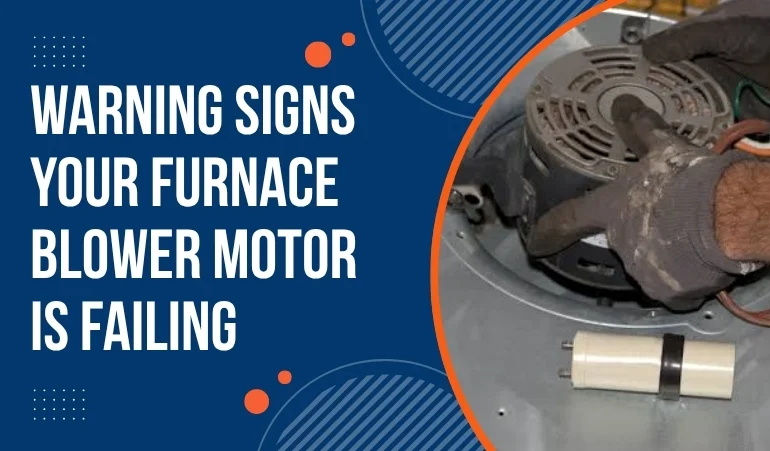
This blog educates New Jersey homeowners and business owners about a key furnace component: the blower motor. It covers an introduction, how it works, warning signs of a failing blower motor, and how to prevent such issues in the future.
As the name suggests, a furnace blower motor powers the fan that circulates warm air through the ductwork and inside your living space. Unlike components directly involved in heat generation, the blower motor distributes warmth where it matters the most. If the blower motor fails, you won't heat even if the ignition system consumes fuel and delivers output to the heat exchanger.
How will you know it is your blower motor and not something else creating trouble? Here are signs to watch for.
Furnaces operate quietly. You rarely hear any noticeable or disturbing noise when the furnace operates. If you hear rattling, squealing, or grinding, the motor is likely struggling to spin the fan. The underlying cause could be aging metal components, poor or loose windings, or insufficient lubrication. Technicians inspect the bearing for any dents, cracks, or bends. They refill the lubricant, check the motor movement, and verify if it now moves frictionlessly. Not limited to the mechanical part, technicians also inspect the electrical connections and make sure everything works before the service ends.
As the blower motor circulates air through the vents, weak airflow is a direct sign the blower motor is failing. This is due to a variety of reasons. If you skip cleaning, dirt and debris accumulate on the fan blades. The added weight and friction cause the motor to spin at less than the required RPMs (revolutions per minute). Sometimes, the motor winding is compromised, which slows down the motor speed and airflow from the vents. A small capacitor in the motor can also cause a similar issue: the motor doesn’t get the boost from the capacitor to operate.
If you notice similar signs, don’t settle for low heat while you pay the same bills. Call Lehigh HVAC to restore motor performance along with normal airflow from the vents.
The HVAC system contributes to almost 20 to 30% of your home’s utility bills. So, we expect a slight increase in energy bills during peak season. But if energy bills increase without explanation, it is a red flag. The culprit is likely the blower motor again. When a motor’s efficiency declines, it works harder to deliver the same results. As a result, it draws more power and strain, which is why energy bills increase.
Professional technicians inspect the blower motor. They find why it is working harder, fix the root cause, and optimize it for better energy efficiency.
The blower motor is not limited to distributing warm air. It also performs another important function: moving cool air over the heat exchanger and preventing it from overheating. When the blower motor fan doesn’t spin at the required speed, it fails to prevent the heat exchanger from overheating. As a result, a safety switch shuts down the system immediately.
Schedule a professional service to fix this issue. The better you describe the signs to technicians, the better they understand, and the faster they fix the problem.
When you first turn on your heating system, a slight dusty smell is normal. But if you continuously notice strong burning smells from the furnace, an overheating blower motor is likely the cause. This happens when the bearings seize, or the motor works harder. That specific burning odor is from melting wires. Sometimes, this burning smell is a result of a much more dangerous problem: an overheated heat exchanger. This happens when the blower motor stops working, but the furnace keeps heating. Contact your local HVAC pros for emergency HVAC service, and turn the system off until help arrives.
Lehigh HVAC is a professional company with certified experts, dedicated to keeping your heating and cooling systems running at their best. Whenever your home’s heating system demands service, contact us directly at 848-361-4707.