Contact Info
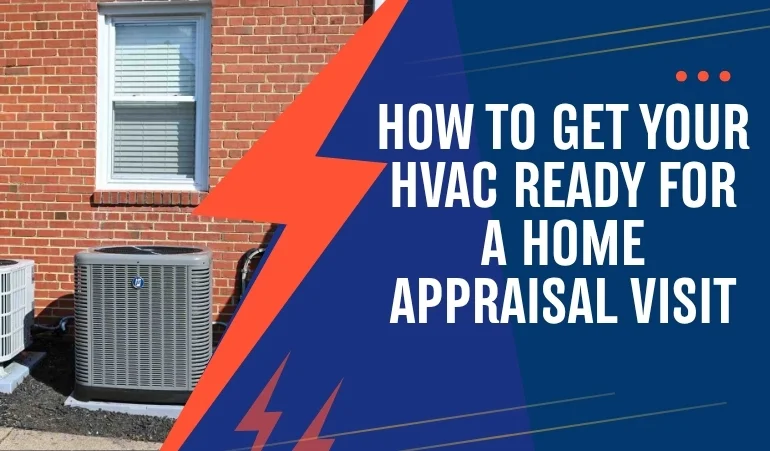
When preparing a home for appraisal in Pennsylvania, it is easy to neglect climate control systems. Homeowners focus on construction, paint, flooring, or ornamental elements. But what truly matters beyond this is the home’s HVAC system. This is important because it is the only way to keep family members comfortable during sub-zero winter freezes in January and humid heatwaves in July. To get your appraisal pass with good remarks and fast loan approvals, you have to keep the HVAC in good condition. This guide focuses on it. It is a step-by-step process to get your HVAC visit ready.
A home appraisal is an estimate of a home’s market value. An unbiased third party conducts this appraisal visit and considers the home’s condition. The appraiser then issues a Fannie Mae Uniform Residential Appraisal Report and rates your home on a condition rating scale from C1 to C6. The lender then lends money based on this rating and the home’s fair market value.
The home’s HVAC system directly affects the appraisal report; appraisers check it during the visit. Any major failure, noise, or short cycling is flagged and can delay loan approval until a certified expert fixes it. Lehigh HVAC experts say a failing HVAC system can result in a $4,000 to $12,000 loan reduction, though the deduction can be even higher in many cases. Many loan types, such as VA and FHA loans, have strict requirements regarding home appliances and require a functional HVAC system for loan approvals.
Home appraisers inspect your home according to the Uniform Construction Code. They check your home’s system, its working, associated components, and the overall performance. Here is what you can expect during the visit.
A functional heating and cooling system
If you lack a functional central air conditioner or a mini-split system in rooms, it is a red flag for the appraisal report.
Physical condition of the equipment
They check for rust, refrigerant leaks, cracks in heat exchangers, and frayed wiring. If found, loan approval chances reduce.
Safety compliance of the system
The inspector checks if the system complies with local code rules in Pennsylvania. Proper venting, clear flue terminations, and carbon monoxide detection alarms matter here.
Making your HVAC ready for the appraisal visit is essential, as it increases your home's market value and loan approval chances. Here is what we recommend at this stage.
A neat and clean HVAC system shows a strong maintenance history. Check filters and replace them if required. Clean at least a 3- to 5-foot area around the outdoor unit. Clean the equipment body and wipe away signs of dirt, grime, or pet dander. Keeping your unit spotless leaves a positive first impression.
Turn your unit on, keep it running for a few minutes, and check airflow from every vent. Check thermostat responsiveness to climate needs. If running a system check during warmer months, check that it handles dehumidification. Check if the condensate drain lines are clear and there are no signs of mold growth.
The appraiser’s inspection is not limited to the indoor air handler. They also inspect the outdoor unit. Trim herbs and shrubs leaning over the unit to prevent mechanical damage. Remove leaves or visible buildup to increase perceived value. If you risk flooding or heavy snowfall, place the outdoor unit above ground level.
If you have a natural gas or oil-based HVAC system such as a furnace or a boiler, make sure the vent lines are securely connected to the outside. For oil boilers, make sure the tank is clean, dry, and free of fuel odors. A clean and well-maintained combustion chamber, fuel delivery system, and exhaust improve your rating on the appraisal report and increase your home’s value by hundreds of dollars.
Home appraisals aren't limited to constructional elements. Appraisers also assess the home’s heating and cooling system and prepare their final report accordingly. A malfunctioning or faulty system reduces your rating and can deduct up to $10,000 from your home’s total market value. That is why you need a functional, well-maintained HVAC system for fast loan approval and a higher home’s market value. To get your system ready for an appraisal visit, clean it completely, confirm heating and cooling cycles, clear the outdoor unit, and clean venting and fuel lines. These small steps help you get great remarks, a high home market value, and a fast loan approval process.
Contact Lehigh HVAC to make your home’s heating or cooling system visit-ready.