Contact Info
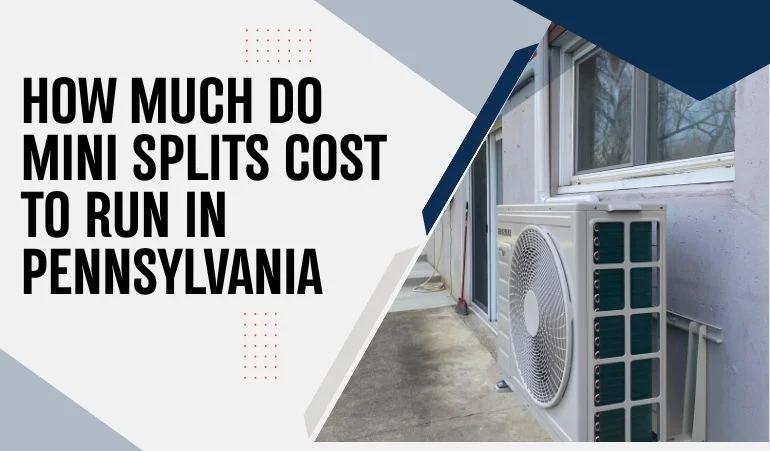
Costs to run a high-efficiency, single-zone mini-split system range from $50 to $60 a month and $600 to $720 a year. This figure should not be considered absolute. The actual cost per month or per year depends on several factors, including system efficiency, size, brand, and the electricity rates in your region. This blog explores the factors on which the operational costs of a mini-split system depend and gives you a clearer picture of how much you expect to pay each month for a specific system.
Keep in mind that Pennsylvania has approximately 11% higher electricity rates than the national average, and that’s why the operational costs remain high. When comparing mini-splits vs. central heat pumps with respect to energy efficiency, mini-splits remain approximately 10 to 30% less costly.
The table below gives you an overview of what contributes to total operational costs per month. Some additional factors may contribute in specific cases, depending on system specifications and electricity.
|
Cost Component |
PA Context |
Cost / Month |
Cost / Year |
|---|---|---|---|
|
Single-Zone (9k–12k BTU) |
Single room (~18¢/kWh) |
$50 – $60 |
$600 – $720 |
|
Multi-Zone (3–4 Zones) |
Whole-home (1,800–2,500 sq ft) |
$120 – $190 |
$1,440 – $2,280 |
|
SEER2 Rating (16 vs 24+) |
High-efficiency cuts draw 15%–25% |
Saves $15 – $40 |
Saves $180 – $480 |
|
Winter Heating |
Cold weather increases load |
$80 – $160 |
Var. by season |
|
Summer Cooling |
Lower load than winter |
$40 – $80 |
Var. by season |
|
PA Utility Rates |
PECO, PPL, FirstEnergy (16¢–20¢/kWh) |
±$ 10 – $25 |
±$ 120 – $300 |
|
Home Insulation Quality |
Drafty homes increase load by 10%–20% |
+$10 – $30 |
+$120 – $360 |
Electricity tariffs across Pennsylvania vary by provider. Major utilities such as PECO, PPL Electric, Met-Ed, Penelec, and West Penn have a power range between 16¢ and 20¢ per kWh. As these utilities increase electricity prices, the impact is directly on the mini-split operational costs.
Modern ductless systems feature SEER2 and HSPF2 efficiency ratings. As you upgrade a system from a baseline 16 SEER2 to a 24+ SEER2 unit, it reduces total electrical draw by 15% to 25%. The result is that you save a lot of energy every month and pay less on your bills.
Older homes across Pennsylvania with unsealed windows, poor attic insulation, and basements increase heating loads by 10% to 20%. A well-sealed home, on the other hand, prevents this energy loss and keeps operational costs low.
PA winters bring freezing cold snaps, while summers bring high humidity. Running mini-splits in heating mode during sub-freezing months demands higher wattage than summer cooling mode. It makes winter heating more costly than running the same unit in the summer.
Comparing running costs highlights the financial advantage of ductless systems over traditional heating and cooling systems. Here is what you should understand.
Mini-Splits vs. Electric Baseboards
Mini-splits consume up to 50% to 60% less electricity due to variable-speed inverter compressors compared to standard resistance heating.
Mini-Splits vs. Central Heat Pumps
Mini-splits eliminate duct thermal losses, which often waste 20% to 30% of conditioned air in areas that are not actually required.
Mini-Splits vs. Oil or Propane Furnaces
Mini-splits offer predictable monthly electric costs, while oil or gas furnaces may incur higher operational costs if there are spikes in the rates of these fossil fuels in the region.
The operational rates may seem higher to some average-income families. But there are always multiple options to keep them low. There are many local, federal, and state-level authorities that offer rebates and incentives for these systems. Here are some of them, briefly summarized.
PPL Electric Utilities: Rebates up to $400 for ENERGY STAR certified mini-split heat pumps.
PECO & FirstEnergy: Incentive programs offering $200 to $300 per qualifying outdoor unit.
Homeowners can claim the Energy Efficient Home Improvement Credit, offering a 30% tax credit up to $2,000 for qualifying cold-climate ductless heat pumps.
Beyond rebates and incentives, you can reduce operational costs yourself by modifying your everyday life activities. Here is how you can do so.
Clean air filters monthly to prevent restricted airflow and increased motor strain.
Keep outdoor compressor units clear of snow, ice, and fallen debris during winter.
Utilize programmed setback schedules rather than completely turning units off and on.
While Pennsylvania electricity rates are higher than the national average, ductless mini-splits remain one of the most cost-effective and flexible HVAC choices for year-round comfort. By selecting high-efficiency cold-climate units and leveraging available state and federal incentives, you can enjoy lower monthly utility bills and long-term operating efficiency. Contact Lehigh HVAC for risk-free mini-split installation in Pennsylvania.