Contact Info
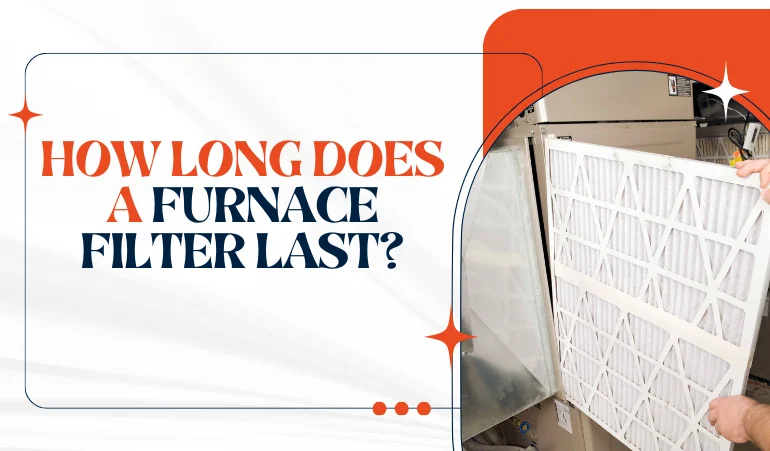
As filters are one of the primary components of a furnace, replacing the air filter is a crucial step in furnace maintenance service. The size and specifications of filters vary greatly. Some furnaces come equipped with the filters, while others need an external one fitted separately. Regardless of the type and the mechanism of the furnace, filter replacement is required periodically. Failing to do so can result in unwanted consequences, sudden breakdowns, and costly repairs.
In this blog, we will explore the ideal frequency for furnace air filter replacement with a primary focus on the commercial HVAC industry. This guide is specifically crafted for the businesses in Pennsylvania and New Jersey, with a clear focus on the climate trend and regional factors in these areas.
Just imagine thousands of harmful intruders are trying to get into your business space. But there is one champion who defends all of them, single-handedly. This is a furnace’s air filter, an unsung hero in commercial thermal comfort. A furnace filter removes dust, dirt, and many other contaminants that come with the return duct. If the filter is not doing its part, these negative agents can get a direct entry inside the space, compromising indoor air quality and leading to severe health concerns. The HVAC efficiency and repair issues are additional.
The lifespan of an HVAC filter is not fixed. It varies depending on various internal and external factors. Here are some of the common factors that have a direct effect on the frequency of furnace filter replacement.
High-quality filters with high MERV and thickness generally last longer than the standard ones. Modern HEPA filters can further enhance the lifespan, compared with the regular ones. This characteristic is because high-quality filters have a larger surface area, increased dust holding capacity, and better construction materials.
If your business is in a high-pollution zone or you share space with furry friends, you need a filter replacement more frequently than furnaces installed in a clean, pollution-free environment. In a polluted environment, your filters encounter dust, pollen, or pet dander more often, and that’s why they demand frequent replacement.
The frequency of the filter replacement also depends on how many hours a day your furnace runs. The more times the furnace operates, the faster the need to replace air filters. During peak summer or winter days, when the furnace works a large portion of the day and night, the filters should be replaced as early as every month.
Furnace replacement should not be left only to the mentioned schedule. You should keep a close eye on the system in this regard. The following are some signs that indicate there is an urgent need to replace your commercial furnace filters.
Increased dust accumulating around the vents is a red signal; you should replace your filters now. This dust can spread inside the space and cause deadly diseases, including asthma, allergic reactions, and respiratory syndrome. If some of your employees are developing health conditions similar to these, you should put a strong focus on filter replacement.
Weak air coming from the vents is another sign that your filters need replacement. This condition is often characterized by frequent hot and cold spots inside the space and uneven temperatures.
As mentioned earlier, damaged or compromised air filters cause allergic reactions. These reactions are the first stage of contaminants exposure. At later stages, they can develop serious illnesses, including respiratory syndromes and lung diseases. When you notice some of your workers or employees having symptoms of an allergy, schedule a professional service to get your furnace inspected.
The lifespans of furnace filters vary greatly depending on the type, size, specifications, and composition materials. Some of the types are summarized here:
Fiberglass: This type of filter usually lasts for 30 days. They are the least efficient and demand frequent replacements.
Standard Pleated (MERV 8-11): They feature a good balance in filtration and life and have a lifespan of around 60-90 days.
High-Efficiency Pleated (MERV 12-13): They are highly efficient and can capture smaller particles. At the same time, they can clog faster and have an average lifespan of 30-90 days.
Electrostatic (Washable): These filters are unique in that they can be cleaned and reused. The average lifespan is around 3 to 6 months.
HEPA: This type of filter has the greatest efficiency and longest life. The average lifespan is around 12 months.
Furnace filters vary in thickness and have an average lifespan accordingly. Here are the primary categories:
1-inch: It has a lifespan of around 1-3 months.
2-inch: It also has a lifespan somewhere around 1-3 months.
4-inch: It has a greater capacity and has a lifespan of around 3-9 months
5-inch: It has the longest life and can last around 9-12 months.
If you are a busy business owner and can’t find time to replace your furnace filters regularly, Lehigh HVAC is here to help. Get into our annual or seasonal maintenance plan and remain carefree about your furnace. We will regularly inspect, tune up, service, and maintain your furnace so it works at peak efficiency. We will replace air filters regularly, maintaining a comfortable, cozy, and livable interior space. Contact us at 484-961-7044 to book a service or discuss your needs.