Contact Info
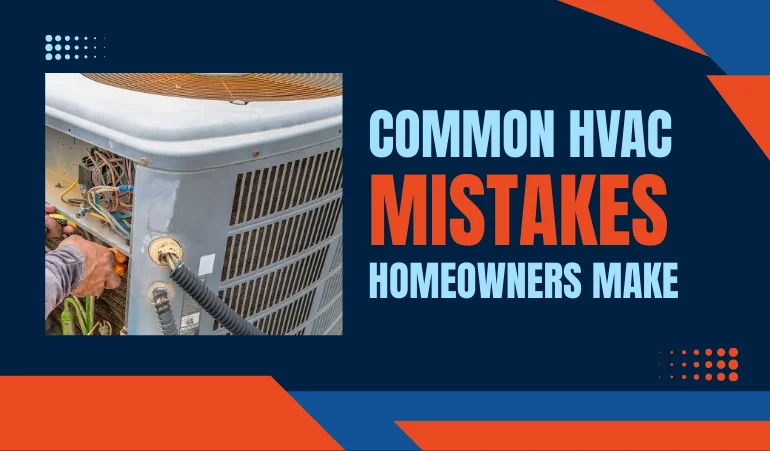
An HVAC system is one of the most important appliances in our homes. It is responsible for thermal comfort, healthy air quality, and filtration of harmful particles. So far, we have covered a lot of tips and tricks about what to do to keep your system performing at its best. You may check those informational pieces by exploring our previous blogs.
In this specific guide, we are going to cover the “Don’t Do” part. We will uncover the common mistakes that homeowners should avoid.
This is not just a mistake. If you overlook regular maintenance in 2026, you are making a blunder. It will cost a lot of money in terms of costly repairs, unexpected breakdowns, and component replacement. If your system is new, perhaps it may remain in good condition for some months. But after this, it will push you towards a cascade of unstoppable repairs, ultimately needing a new HVAC installation.
Regular HVAC maintenance is the most essential among HVAC services. Especially in the fluctuating climate of New Jersey with brutal winters and humid summers, it is an inevitable step in HVAC performance. With maintenance carried out on time, your system is inspected, tested, and optimized. All the moving parts are lubricated, outdoor components are cleaned, and the faulty ones are repaired or replaced. The result is better efficiency and reliable performance with reduced energy bills.
If you are carrying out AC maintenance, moisture is one of the primary culprits you should keep in mind. It is because if the moisture is high, the air conditioner has to work harder. Now the AC has to keep the room cool and remove the moisture — simultaneously. The result is more workload, reduced performance, and frequent breakdowns. Ignoring moisture problems and not applying the remedial factors is a major mistake.
We recommend adding a compensatory dehumidification mechanism at the time of AC installation. Furthermore, check the moisture levels and dehumidification at every maintenance and tune-up. When you notice water buildup or leaking, call your local HVAC pros immediately.
The size matters a lot when choosing residential HVAC systems. Many homeowners think that choosing a bigger size means it will cool faster. That’s a myth. The reality is that a larger-than-required system leads to more frequent on/off cycles. As a result, the components experience accelerated wear and tear and require frequent repairs. The same is the case for a smaller-than-required system. A small system has trouble matching the temperature to the range set on the thermostat. The result is inefficient performance and costly HVAC services.
We recommend calculating the manual J load before buying a new system. It will help you estimate your home's comfort needs and determine which specific system best meets them.
If you notice an issue with your HVAC system, but it is still working right, it doesn’t mean you should delay repairs. Doing so can prove to be very stressful for you later on. The small issues, when not fixed on time, can develop into major ones. Your system can suddenly stop working on the coldest winter night or the hottest summer noon. Furthermore, it may require a handsome amount if component replacement is required. This applies to both cooling and heating repairs, regardless of the system size and specifications.
We recommend taking immediate remedial steps when there is something wrong with your HVAC system. Call your nearby HVAC pros, and get things restored to normal.
A DIY is good only for the basic maintenance and cleaning steps, such as replacing air filters and cleaning outdoor components. But for complex or internal issues, a DIY is never recommended. Especially for modern, highly sophisticated HVAC systems, a DIY can lead to major irreversible issues with the system. For example, when you try to fix a furnace heat exchanger yourself, you are never in a good direction. You are putting the whole system at risk.
We recommend hiring certified and licensed HVAC pros for complex issues. It ensures your system will be restored to its optimal working condition.
HVAC maintenance is not limited to cleaning or filter replacement only. It is a multi-stage process involving a detailed inspection and fixing both minor and major issues. Here, we have compiled a comprehensive checklist to follow. Whether you are carrying out mini-split maintenance or more complex rooftop unit maintenance, this list can help you check whether your maintenance is performed the right way.
Now, you are aware of the most common HVAC mistakes homeowners make. Being a smart homeowner, you should avoid those and the related ones. When there is an issue with your system, call Lehigh HVAC pros immediately. We will inspect, repair, and restore your system.