Contact Info
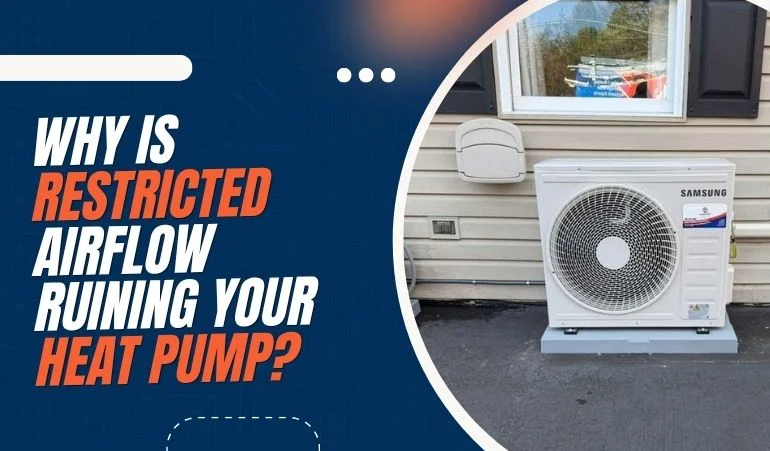
Optimized airflow is necessary for heat pump performance. Without it, the system fails to extract heat from the surroundings and send it to the indoor components. But in Pennsylvania, wind and snowstorms never let the outdoor HVAC components keep their surroundings clear. Debris, bushes, leaves, and falling debris from the roof all contribute to piling things up around the outdoor components. On the one hand, this residue blocks the heat extraction process, and on the other hand, it leads to the core components working harder than their capacity, faster wear and tear, and a shorter equipment lifespan.
In this post, we will discuss the reasons why restricted airflow is not good for your heat pump system. It will also cover how to keep the airflow optimized.
Here are some ways restricted airflow affects your system performance.
When the heat pump operates in cooling mode and the airflow is not optimized in the indoor evaporator coil, it causes the temperature of this coil to drop below zero. This turns the moisture into ice, which further blocks the airflow. The whole cooling process is disturbed, and as a result, the compressor has to work harder than its capacity. It results in faster compressor damage and risks emergency failures.
When the heat pump runs in heating mode and the airflow is restricted, the heat can’t move away from the indoor unit or the heat backup source. This triggers the heat pump switch and leads to the switch tripping, which immediately stops the heating process, leaving your family or business employees without warmth.
When there is restriction in the airflow, the blower motor has to work harder than its capacity. The initial signs of this overwork are unusual rattling or grinding noises. But when the motor components are severely damaged or worn out, it results in complete blower unit failure. It means the system can no longer produce energy, and the heat energy is not working.
This is the most evident sign, though it is not limited to restricted airflow issues. You might notice the same result if the maintenance is neglected for extended periods or if the components are in compromised condition. But for restricted airflow, it can be corrected by removing household items near the indoor unit or the buildup around the outdoor unit. In short, when you notice unexplained bills, check the airflow and optimize it if there is a need.
Many homeowners ignore restricted airflow and consider it only a side job. However, it is essential for smooth heat pump performance. The table below compares system performance with and without proper airflow, so you get an idea of how it costs you dollars.
Feature |
Optimized Airflow |
Restricted Airflow |
|---|---|---|
|
Coil Status |
Normal operation |
Freezes |
|
Heating Operation |
Continuous warmth |
High-limit trips |
|
Blower Motor Stress |
Minimal |
Overworked/Fails |
|
Energy Efficiency |
Optimal |
High utility bills |
Customers ask about how to maintain proper airflow for the heat pump system. The honest answer is to schedule professional heat pump maintenance service regularly. But if the restricted airflow is the only issue, you can optimize it yourself. Here is what you need to do.
Clean or replace air filters regularly to prevent dust accumulation
Clear debris, leaves, and snow from around the outdoor unit
Keep indoor vents and registers open and unobstructed by furniture
Inspect and seal ductwork to ensure proper air circulation throughout the system
Schedule annual professional maintenance and coil inspections
Avoid blocking outdoor unit clearance with landscaping, fences, or storage
Verify that air dampers in the duct system are properly set for the season
Lehigh HVAC is a family-owned HVAC business in Pennsylvania. We have been serving this state for over 11 years and have served thousands of customers. For your heat pump, give us a call when you need professional assistance. Our team will arrive fast, fix it right, and provide post-service support, so you are never left without comfort.