Contact Info
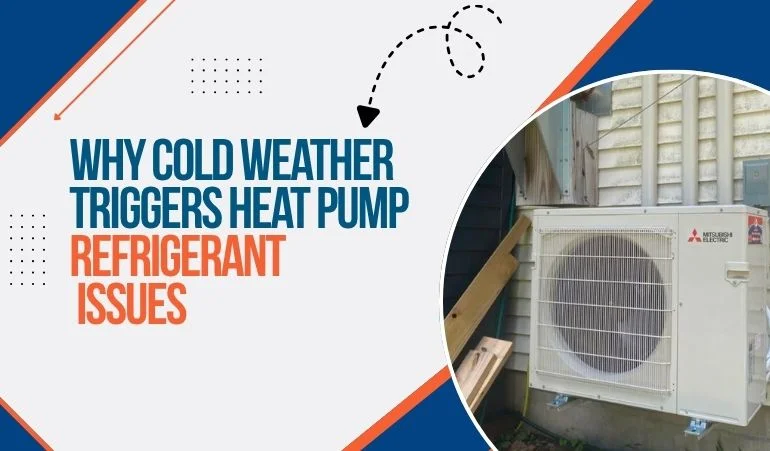
New Jersey winters put heat pumps through some difficult conditions, and refrigerant issues are one of them. In milder winters, the system extracts heat from the cold and sends it inside. But during extreme climates, the system struggles to keep rooms at a comfortable temperature. This doesn’t happen due to equipment or component damage. It happens because the refrigerant lines and sometimes the gas flowing in them fail to play their role. Though refrigerant issues are easy to ignore, they deserve the same importance as the rest of the system. And when they fail, refrigerant issues also require professional heat pump service, just like other components.
This post explains how cold weather creates heat pump issues and how you can protect against them. This is especially important for homeowners and commercial facility managers in boroughs where temperatures drop below zero during peak winter days.
A refrigerant is the lifeblood of a heat pump system. It absorbs, transports, and releases heat energy. In summer, it expels indoor heat to the warmer surroundings, lowering the indoor temperature and keeping the family comfortable. In winter, the heat is sent inward, extracted from the surrounding air. In this way, it warms the home regardless of how cold it is outside.
Here is why refrigerant is important for smooth heat pump operation.
It absorbs outdoor ambient heat energy even when surrounding temperatures drop drastically
It changes states between liquid and vapor to effectively transfer thermal energy inside
It maintains optimal operating pressures required to prevent system strain during cold weather
It ensures consistent heating performance without forcing the system to rely purely on backup heat
When the temperature drops, the heat available outside is extremely low. The system works harder than its capacity to run faster cycles and keep the rooms at the desired temperature. During such circumstances, it is the heat pump that has to transfer the heat between the inside and the outside. That’s why the effect is also evident on this essential component.
Here is what you may notice.
Longer heating cycles
Weak or cool air from vents
More frequent defrost cycles
Ice that does not clear properly
Rising energy use
Unusual compressor operation
The system struggling on colder days
Noticing such issues doesn’t mean you should rush to fill the refrigerant. These signs can also be related to other component problems.
Taking proactive steps before peak winter hits can help prevent cold-weather refrigerant issues and protect your system from excessive strain. Here is what Lehigh HVAC recommends in this regard.
Have a certified HVAC technician check refrigerant charge levels and inspect for minor leaks regularly.
Remove snow, ice, leaves, and debris from around the outdoor coil to ensure proper airflow
Ensure exterior refrigerant pipe insulation is intact to prevent unnecessary heat loss
Avoid drastic thermostat adjustments during extreme cold snaps to reduce sudden system loads
We have seen many homeowners confusing refrigerant issues with other HVAC problems. That’s why setting a boundary between these two is compulsory. The table below compares refrigerant issues with other relevant problems, so you get an idea of which problem shows which specific symptoms.
Symptom |
Low Refrigerant Levels |
Other Component Issues |
|---|---|---|
|
Air Temperature from Vents |
Consistently lukewarm or cold air during heating cycles |
No airflow at all (blower motor) or incorrect temperature target (thermostat) |
|
Coil Condition |
Frost or ice buildup along liquid lines and outdoor coil |
Dirty air filters cause restricted airflow without line icing |
|
Audible Sounds |
Hissing or bubbling noises near refrigerant lines |
Screeching, grinding, or clicking from failing motors or relays |
|
System Cycle Behavior |
Continuous running without reaching the set thermostat temperature |
Frequent short-cycling or failure to turn on |
Don’t let winter freezing leave your home or business place without reliable heat. If your heat pump is struggling to keep up or showing signs of refrigerant loss, contact our certified HVAC specialists today to schedule a comprehensive winter inspection and service.