Contact Info
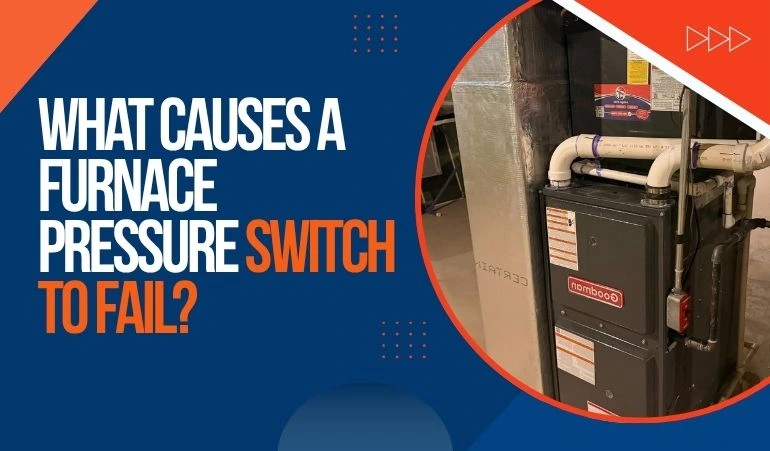
When a furnace fails unexpectedly, many of us rush to check air filters, inspect electrical connections, or replace fuel supply lines. That is good, no doubt. But many times, the issue is with a tiny furnace component: the pressure switch. This safety switch detects if the inducer motor is accurately pulling the exhaust through the vents and lets the furnace light the burners. When there is a venting blockage or airflow restriction, this switch trips and prevents the furnace from igniting.
In this post, we will explore the causes that make the furnace pressure switch fail, along with the troubleshooting steps. It also covers tips to prevent pressure switch issues in the future.
The causes can be diverse, including wear on the pressure switch itself or issues with associated components. Here are some of the primary causes.
The blockage near the vent pipes creates restriction in the airflow. This airflow restriction overheats the system and turns the pressure switch off, so the whole heating process stops till the underlying cause is fixed.
Dust or moisture accumulation inside the thin rubber tube connecting the switch to the draft inducer prevents correct pressure readings.
The pressure switch hose is a thin rubber tube that connects the pressure switch to the inducer motor. When this hose is clogged due to moisture or buildup, it prevents the correct pressure reading, which can lead to failures of the furnace pressure switch.
If the inducer motor is faulty, old, or just worn out, it fails to create enough negative pressure to close the pressure switch. The result is that the pressure switch remains open and the heating process remains stopped.
In some high-efficiency furnace models, the water accumulated in the condensate drain lines climbs up to the inducer motor and creates a blockage in the pathway. The result is again the same: the pressure switch fails, and the furnace’s normal heating process stops.
The issue can be due to mechanical damage to some internal, delicate components, such as tiny rubbers, motor components, electrical connections, and associated accessories. To fix them, you need to hire a professional technician for a detailed inspection service.
Follow these basic troubleshooting steps before replacing the part:
Disconnect the furnace's main power switch before inspecting.
Examine the outdoor vent pipes for visible obstructions such as snow, ice, or debris.
Disconnect the rubber tubing and inspect it for cracks, moisture, or blockages. Gently clear any moisture.
Ensure condensate traps and drain lines flow freely without standing water backups.
Use a multimeter while the inducer motor runs to verify whether the switch contacts close successfully.
If you keep a close eye on the system and schedule services on time, you can prevent furnace repair service calls. Here is what Lehigh HVAC recommends in this regard.
Regular professional tune-ups keep the inducer motor, flue pipes, and electrical components in peak condition.
Clean airflow reduces strain across the whole heating system.
Install protective mesh caps outdoors to stop birds and insects from nesting in intake and exhaust lines.
Feel free to contact Lehigh HVAC whenever you need certified technicians for HVAC services in Pennsylvania.