Contact Info
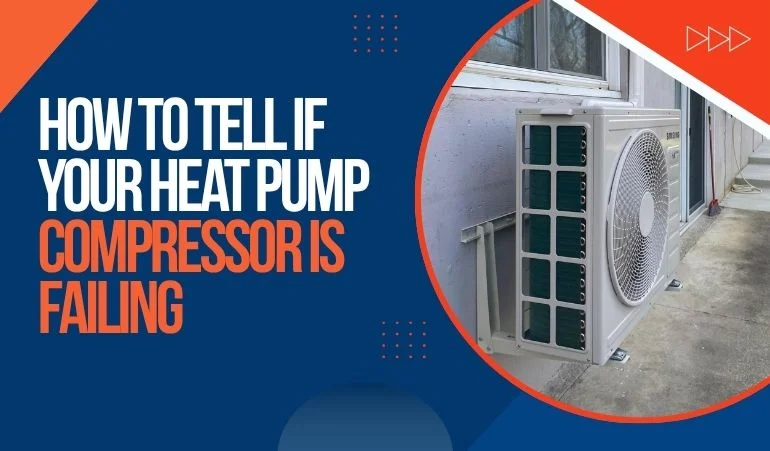
When winter is passing through its peak days in New Jersey, the least you expect is a heat pump failure. If you use a heat pump system as a winter comfort system and it breaks on a random day, the first suspect that comes to mind is a compressor failure. Many customers rush to book heat pump repair services. Some start planning about buying a new unit. The actual issue might sometimes need a little troubleshooting.
This post answers your doubts about a faulty heat pump compressor. You will learn the symptoms of a faulty compressor, the troubleshooting guide, and how to confirm such issues.
The compressor is the critical component of a heat pump. It manages the entire heating or cooling process. In fact, it is the compressor that converts the refrigerant from gas to liquid, compressing its volume and generating heat. Here are the warning signs you may notice when the compressor gets faulty.
When the compressor is not doing its job the right way, the first sign you notice is the weak airflow from the vents. The system can’t produce that level of warm or cold air to meet the demands of the thermostat. The result is that the airflow from the vents is weak.
This is the second most evident sign. When the compressor starts failing, it can’t extract heat from the refrigerant correctly. Even if the blower motor is working correctly, the system distributes the wrong temperature air throughout the home. So if you are running the system in winter and craving warmth, the system will be distributing cold air inside the rooms. The air through the vents feels warm in cooling mode, when you expect it to be cold.
Slight humming sounds from the old units are normal when the system is working. But if you notice loud, cracking, rattling, or buzzing sounds from the system, it shows that some of the components are cracked or experiencing higher friction. This usually happens when you ignore maintenance for longer periods or forget to lubricate the moving parts during the last tune-up service.
Modern heat pumps come with safety switches. If the system becomes overheated, these safety switches automatically turn the system off. If the compressor is having issues and it can’t extract heat from the refrigerant, its components struggle to work harder to meet thermostat needs. As a result, the system becomes overheated, and safety switches turn the system off.
These signs are largely associated with compressor failure. But it is not just the compressor that leads to these problems. Many other HVAC problems can also cause these signs. So how will you confirm if this is actually the compressor creating these symptoms? Follow the steps below to confirm.
Check the air filter to make sure dirty or clogged airflow is not placing undue strain on the system
Inspect the thermostat settings and battery to verify that it sends accurate signals to the heat pump
Examine the outdoor unit for visible debris, ice buildup, or strange rattling noises during startup
Reset the circuit breaker once to see if the system recovers or immediately trips again
If you still don’t understand the actual cause, call a professional HVAC technician to test electrical connections, run diagnostics, and check refrigerant levels safely.
Lehigh HVAC is a professional HVAC agency in New Jersey. We are licensed, experienced, and knowledgeable about minor to complex HVAC issues. For your compressor problems, we assure you of fast troubleshooting at a reasonable price and post-service support. Feel free to reach out to us at 848-361-4707.