Contact Info
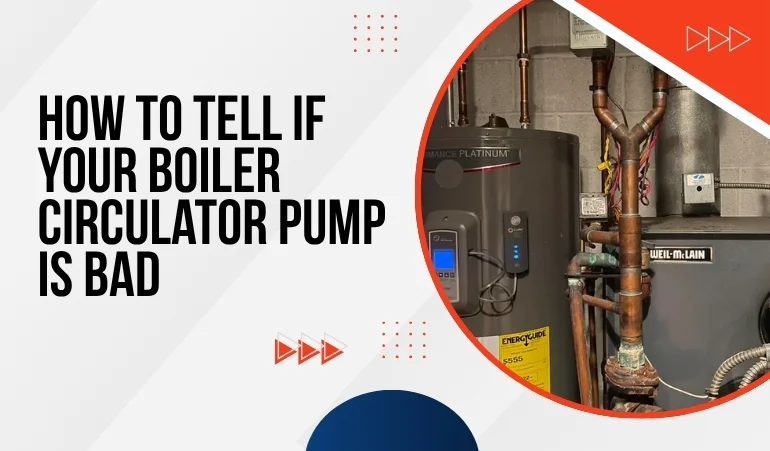
In colder areas such as New Jersey, a boiler is a dependable HVAC appliance during the winter. It keeps rooms warm and provides on-demand comfort, regardless of outside temperature. But do you know that your boiler relies on a circulator pump to push water to the radiator? If not, you should have basic information about the circulator pump so you can fix small problems yourself when something unexpected happens.
In this post, we will discuss a brief circulator pump intro and working mechanism, along with how to identify when it is having some problems.
A boiler circulator pump is a small, electricity-powered device that pushes water from the central boiler to the radiators. The hot water then circulates through the radiator tubes, loses heat to the surroundings, and returns to the boiler after getting cold. The boiler then warms it, the pump pushes it, and the radiators circulate it. This process continues and keeps our rooms at a comfortable temperature.
The most obvious sign of a failing circulator pump is cold radiators and baseboards while the boiler is working and producing heat. Here are some associated signs.
When the circulator pump fails to push hot water upward, the radiator stays at room temperature. In normal working condition, it should be warmer, as it contains warm water. If the radiator feels cold to the touch, it is a direct sign that the circulator pump is not pushing warm water.
If you hear strange rattling, clanking, and grinding sounds from the system, it might be due to a failing circulator pump. The actual culprit could be anything, from the loose motors to the failing bearings. Or the sounds could be due to trapped air in the system.
The circulator pump makes a slight hum sound while operating. If your pump stays completely silent with no vibration, it means the pump is not working at all. This can be due to a mechanical defect in the component or due to a poor or cut-off electrical supply.
If the pump body feels overly hot to the touch, it has an internal blockage. Hot water is not being transferred to the heat emitters and is staying confined in the circulator pump section. This problem again stops the boiler from heating the intended rooms.
The pressure gauge shifts slightly when the pressure kicks on. If it stays unresponsive, it means the water is not being actively pushed to the emitting components.
These are some common signs that we have noticed ourselves in New Jersey. They can be different in some cases. When you suspect pump failure but aren’t sure of the cause, test the system to confirm the cause.
If you suspect a faulty pump in your boiler, confirm it before rushing to replace the pump. Here is how to test the circulator pump that is causing the trouble.
Put your hand on the pump housing and check if it gets warm when the thermostat calls for heating. Check if it vibrates or produces an operational humming sound.
Use a multimeter to test whether power actually reaches the terminals. This step separates electrical and supply issues from the mechanical ones.
If you can’t figure out the issue but are sure that the boiler performance or heating efficiency is declining, contact a nearby professional for inspection. Make sure the person you call is licensed, knowledgeable, and experienced.
New Jersey homeowners and business owners can simply call Lehigh HVAC for on-demand boiler repair services. From minor issues to major, complex component replacements, we can handle every issue professionally. Call us at 848-361-4707 for custom quotes.