Contact Info
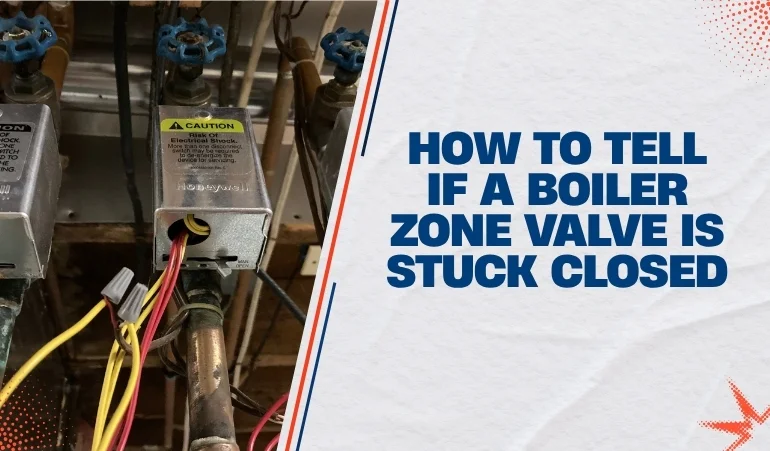
A boiler zone valve is a critical part of the heating system that controls which part of the house gets hot water and which stays cold. When this component is faulty, one zone is overly heated while the second one stays cold. If you ignore this problem, it can have very adverse effects later on. The good practice, however, is to catch the signs early on and take the necessary remedial steps immediately. This post explains what a boiler zone valve is, why it gets faulty, and what to check when you suspect it is not working as intended.
The post is specifically designed for service seekers in New Jersey. For further guidance, HVAC emergencies, and service bookings, feel free to contact Lehigh HVAC.
A boiler zone valve does the same job as a zone damper in AC does. This electronically controlled device regulates the flow of warm water in different areas in your house. When faulty, this flow is unregulated. The result is that some rooms in your house are overly heated while some stay chilly.
To understand its working mechanism, take a look at some of its parts before booking boiler repair services in New Jersey blindly.
Power Head: It contains an electric motor and gear assembly that runs on low voltage to open and close the valve.
Valve Body: It is the brass or bronze mechanical housing containing a rubber ball or paddle that physically blocks or permits water flow.
End Switch: It is a small internal electrical switch that triggers the boiler and circulator pump once the valve is completely open
There can be several reasons behind a boiler zone valve closure. From mechanical damage to motor failure and excessive buildup in the pipes, everything influences its function.
Here are some of the common causes.
Actuator Motor Failure
If the electrical motor inside the head burns out or fails to receive the electrical output from the supply, it doesn't open the valve even if there is a high signal from the thermostat.
Seized Valve Stem
Water in New Jersey contains high mineral buildup. These minerals and sediments stack around the valve and block it physically. Water finds no pathway, and that’s why the flow of warm water stops.
Gear Failure
Multiple gears and linkages are involved in the motor movement. If some of these gears slip out of their place, the result is a zone valve stuck closed, with no warm water flow across the pipes.
Electrical Issues
The problem can also be at the supply end. If the electrical wires are loose, disconnected, or broken, they don’t deliver the power output to the motor portion, and that’s why the valve gets stuck at its close position.
The troubleshooting involves identification of the visible signs and underlying cause. Once you figure out what is actually wrong, fix that main culprit first. Then repair or replace the zone valve, depending on the need.
Check for the Power Supply
Take a multimeter and check if the head is receiving the voltage. Aim for 24 volts. If the voltage is not continuous or is less than the required input, there is an issue at the electrical end. If the voltage supply has no issues, there are some issues at the actuator head.
Try the Manual Lever
Most modern boilers feature a manual lever. When you push this lever manually to the open position, it circulates the warm water in the pipes, provided there is no blockage in the pathway. This step is essential to rule out the possibility of blockage.
Replace the Actuator Head
If the manual lever is stuck or doesn’t resume the water flow, try replacing the actuator head. Don’t replace the complete valve at this stage; just replace the head and see if it works.
If you are not sure about the warning signs, component defaults, or just can’t figure out the underlying cause, give a call to your nearby, licensed HVAC or plumbing contractor. Ignoring such issues is never safe, as it can deprive your home of warmth.
New Jersey homeowners and business owners can call Lehigh HVAC PA with confidence, as we know how to restore winter comfort in a single visit. Note the contact 848-361-4707.