Contact Info
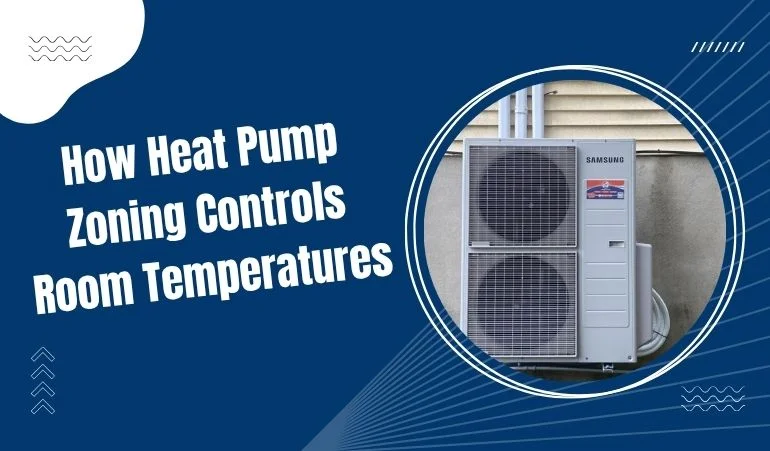
Heat pumps have long been in use in Pennsylvania. Some of the common reasons for their widespread use include zonal control, year-round comfort, and high energy efficiency. For Pennsylvania’s freezing winters, the zoning features prove to be a shield to protect your home or business. In this post, we explore how heat pump zoning controls room temperature.
A Little Bit About Heat Pump Systems
A heat pump is a relatively innovative heating and cooling appliance that works by transferring heat. Unlike traditional heating sources, such as furnaces and boilers that generate heat by burning fuels, a heat pump doesn’t produce heat. Instead, it transfers heat between the indoor and the outdoor and supplies it where it is needed most. Here are a few important attributes of such systems.
Provides heating and cooling from one system
Transfers heat instead of burning fuel
Supports room-by-room temperature control
Can reduce energy use during operation
Works with single-zone and multi-zone setups
Reverses operation between heating and cooling seasons
Offers flexible installation for different home layouts
Can maintain more consistent indoor temperatures
When Pennsylvanians hear about heat pump systems, they automatically expect a ductless system that works every season and provides on-demand comfort. That’s not true. Heat pumps can be both ducted and ductless. Here is a brief intro of both types.
Some homeowners know them by their second name: ductless mini-split heat pumps. These are units that don’t need a complete duct network to deliver conditioned air in rooms. Instead, they rely on the refrigerant lines to deliver heat directly inside the home in winter and expel it to the outside in summer. These units find their best applications in small spaces, such as garages, shops, and small, confined houses.
Contact us for professional mini-split heat pump installation service in Pennsylvania.
Almost every Pennsylvania HVAC customer has at least encountered them. They are mostly known as central heat pump systems, as they rely on traditional ductwork. How they work largely resembles traditional HVAC systems. They absorb heat from the surroundings and deliver it to the rooms through the ductwork. Or they carry heat through the ductwork to the outdoor unit, where heat is expelled outside.
Just like mini-splits, we also specialize in expert central heat pump installation service in Pennsylvania.
Here is the comparison. Understand both units completely before you make a purchase.
Feature |
Ductless Heat Pumps |
Ducted Heat Pumps |
|
Ductwork |
Not required |
Required |
|
Best For |
Smaller or zoned spaces |
Whole-home comfort |
|
Installation |
Less invasive |
More involved |
|
Temperature Control |
Room-by-room |
Central control |
|
Indoor Units |
Multiple options |
Central air handler |
|
Space Requirement |
Minimal |
Requires duct space |
|
Common Use |
Additions, garages, small homes |
Larger homes |
Heat pumps divide the whole home into multiple zones. Each zone gets its own thermostat for the minimum temperature of that zone exclusively. You can then keep a specific room at a specialized temperature without affecting the comfort inside other rooms.
Here is how it works.
Each zone gets its own thermostat for temperature control
The thermostat measures the temperature in its zone
It sends signals when heating or cooling is needed
The heat pump adjusts output for that specific zone
Other zones can maintain different temperature settings
Unoccupied rooms can use less heating or cooling
Multiple zones can operate at the same time
This gives homeowners more control over indoor comfort
Apart from zoning control, mini-split heat pumps are specifically appreciated for their energy efficiency benefits. They operate on modern technology, have robust architecture, and save energy in each cycle. Furthermore, they allow you to preserve energy through separate temperature control for each zone. For example, you can keep the high-traffic areas at best temperatures while slightly depriving the rarely visited areas of comfort. Our clients at Lehigh HVAC have reported up to 30% less monthly energy bills with mini-split heat pump systems.
Feel free to book an appointment for further discussion regarding your commercial or residential HVAC project.