Contact Info
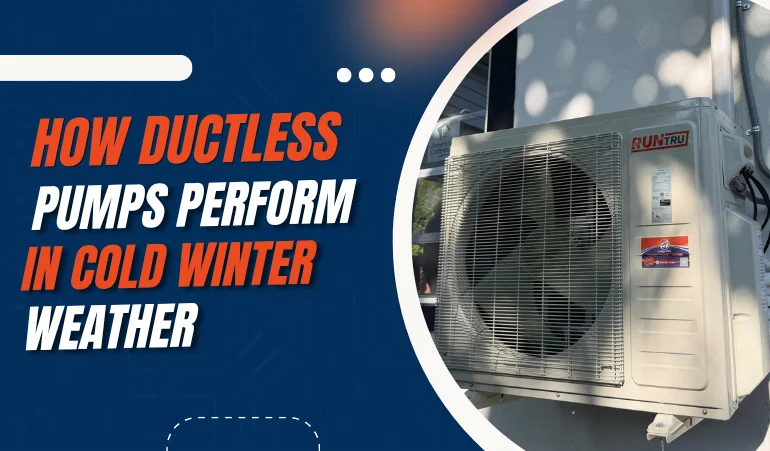
When winter temperatures drop across Pennsylvania, homeowners often wonder if an electric system can truly keep their living spaces warm without sending utility bills sky-high. Traditional heating systems like gas, oil, or propane furnaces have long been the regional standard. However, advanced ductless mini-split heat pumps have rapidly transformed home heating. Modern cold-climate heat pumps are specifically engineered to provide reliable, efficient warmth even when outdoor temperatures fall below freezing.
Unlike combustion furnaces that burn fuel to create heat, ductless heat pumps transfer thermal energy during their operation. No matter how cold the outside is, they take heat from the outside environment to send it towards the inside. The outdoor compressor absorbs this thermal energy and pumps it via refrigerant lines into the indoor air handlers. The indoor air handler then distributes warm air directly into your living spaces. Because they move heat rather than create it through combustion, these systems can achieve efficiency levels up to 100%.
Central heat pump models often struggle in freezing weather, requiring auxiliary electric resistance strips to maintain indoor comfort. However, modern cold-climate ductless mini-splits utilize advanced compressors and enhanced refrigerants. These units can continuously ramp up their capacity to extract warmth from sub-zero environments and maintain efficient heating performance down to 5°F or even lower.
While a heat pump's heating capacity and overall efficiency (measured HSPF) may decrease slightly during extreme cold snaps, they remain a viable primary heat source for the vast majority of winter days in regions like the Lehigh Valley, Allentown, and Bethlehem.
During humid, freezing winter conditions, frost or ice can naturally accumulate on the outdoor unit's coil. To combat this, modern ductless heat pumps feature automated defrost cycles. Here is how they work.
The Process
When the system detects frost buildup, it temporarily reverses its refrigeration cycle for a few minutes to melt the ice, briefly blowing ambient air indoors before resuming normal heating operations.
What to Expect
You might notice a small amount of steam rising from the outdoor unit or a brief pause in hot air delivery. This is a normal part of operation and ensures the system maintains peak winter efficiency.
Choosing a ductless mini-split for winter heating offers several distinct advantages over traditional central systems:
You have full control over the heating in each room separately, without interfering with what’s going on in other rooms.
Traditional ducted systems can lose up to 30% of thermal energy (U.S. Department of Energy) through leaks, cracks, and uninsulated spaces. Ductless setups bypass ductwork entirely.
The same system that keeps you warm in January will efficiently cool and dehumidify your home when July humidity arrives.
While modern cold-climate models handle standard Pennsylvania winters with ease, homes located in particularly harsh northern or rural pockets might benefit from a backup heating source. Some homeowners choose a hybrid or dual-fuel setup, pairing a heat pump with an existing gas or oil furnace. In this arrangement, the heat pump manages mild-to-moderate winter days cost-effectively, while the furnace automatically takes over during severe, sub-zero cold snaps.
Ductless heat pumps are fully capable of delivering dependable, energy-efficient warmth throughout cold winter weather. By choosing a professional heat pump installation service in Pennsylvania, with proper system sizing, and keeping the outdoor unit clear of snow and debris, you can enjoy a comfortable home all winter long.
If you need guidance on upgrading your home heating setup, contact Lehigh HVAC at 484-961-7044 for expert advice and reliable service.