Contact Info
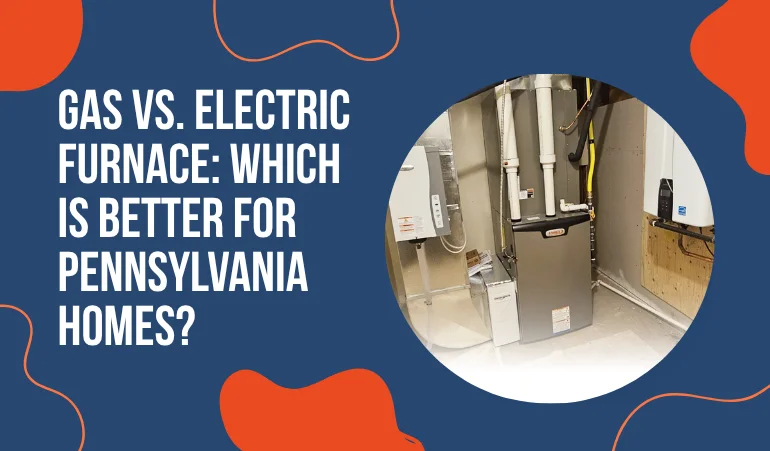
When winter hits New Jersey, reliable heating equipment becomes a basic requirement of every home. Without it, life can be quite uncomfortable for your loved ones. Gas and electric furnaces are two highly preferred heating appliances in this region. Some homeowners prefer a gas furnace due to fuel freedom, while others choose an electric furnace for its high efficiency and quiet operation. The best choice in your case depends on fuel availability, your personal preference, budget, and heating load.
Today, we are here to present a detailed comparison of these two heating appliances for New Jersey winters.
Both gas and electric furnaces are heating appliances that consume input energy and provide heat as an output. Both pieces of equipment share some key components, given below.
Blower Motor Fan: It circulates air through ducts.
Thermostat: It monitors temperature and keeps it in a narrow range.
Air Filters: They filter air of dirt, dust, allergens, pollens, etc. These filters need to be replaced regularly. Find their average replacement frequency in our other blog on "How Long Does a Furnace Filter Last?"
The basic operational mechanism of both appliances is also the same. Both are forced air systems that use a thermostat for temperature control. It triggers the blower motor to distribute warm air via the duct network.
Below is a comparison of these two heating appliances depending on various factors.
This section focuses on how a furnace generates heat and where that energy comes from. The infrastructure of both is robust but distinct from the others.
|
Feature |
Gas Furnace |
Electric Furnace |
|
Energy Source |
Natural Gas |
Electricity |
|
Conversion Method |
Combustion |
Electric Resistance |
|
Consumption Rate |
Measured in Therms |
Measured in Kilowatts (kWh) |
|
Backup Potential |
Possible with Propane (LP) conversion |
Possible with Solar or Battery Backup |
|
Infrastructure |
Requires a gas line and venting (flue) |
Requires a high-voltage electrical circuit |
This section focuses on how the furnace actually generates and distributes heat throughout the home. Knowing the operational mechanism will help you understand why a gas furnace requires more safety, while an electric one is relatively simpler.
|
Mechanical Feature |
Gas Furnace Mechanism |
Electric Furnace Mechanism |
|
Heat Generation |
Gas enters a burner, is ignited, and heats a metal heat exchanger. |
Electricity passes through metal heating coils and makes them glow red-hot. |
|
Air Distribution |
A blower motor pulls air over the hot heat exchanger and into the ducts. |
A blower motor pulls air directly across the heated coils. |
|
Exhaust & Venting |
Must vent combustion byproducts (CO, water vapor) through a flue or PVC pipe. |
No combustion occurs, so no chimney or venting is required. |
|
Internal Moving Parts |
High (inducer motor, gas valve, igniter, and blower motor). |
Low (blower motor and sequencers). |
|
Startup Process |
Multi-stage: Venting starts, the igniter glows, gas flows, and the flame ignites. |
Instant: Power flows to coils, and they heat up immediately. |
This section focuses on the capital required for furnace installation. In New Jersey, labor rates are higher than the national average. That's why the total costs increase.
|
Investment Factor |
Gas Furnace |
Electric Furnace |
|
Average Unit Cost |
$1,500 – $4,000 |
$800 – $2,500 |
|
Average Labor Cost (NJ) |
$2,000 – $5,000 |
$1,000 – $3,000 |
|
Permit & Inspection Fees |
$200 – $600 |
$100 – $300 |
|
Typical Total (Installed) |
$3,700 – $9,600 |
$1,900 – $5,800 |
This section covers the average monthly costs to keep these units running. Although electric furnaces are less expensive to install, their monthly operational costs are significantly higher due to local rates.
|
Monthly Factor |
Gas Furnace (Natural Gas) |
Electric Furnace (Electricity) |
|
NJ Average Utility Rate |
~$1.65 – $1.75 per Therm |
~$0.18 – $0.22 per kWh |
|
Efficiency to Cost Ratio |
Lower fuel cost / High heat output |
Higher fuel cost / High efficiency |
|
Est. Monthly Winter Bill |
$120 – $190 |
$350 – $500+ |
|
Price Volatility |
Moderate (Linked to the global gas market) |
High (Varies by peak demand in NJ) |
|
Annual Maintenance Cost |
$150 – $300 (Safety checks) |
$100 – $200 (Electrical checks) |
This section discloses how efficiently each system converts its input energy into heat. We compare them for AFUE (Annual Fuel Utilization Efficiency), which is the percentage of fuel source converted into heat versus what is lost.
|
Efficiency Factor |
Gas Furnace |
Electric Furnace |
|
Standard AFUE Rating |
80% (20% of gas is lost as exhaust) |
100% (0% of electricity is lost) |
|
Peak AFUE Rating |
95%–98% (Condensing models) |
Always 100% |
|
Heat Loss |
Energy is lost through the chimney/flue. |
No energy is lost through venting. |
|
Steady-State Efficiency |
Varies; less efficient during startup/shutdown. |
Constant; 100% efficient the moment it’s on. |
|
Performance in 0°F Weather |
Excellent: No drop in efficiency or output. |
Excellent: Efficiency stays at 100%. |
This section focuses on rewards that local utilities and federal programs offer for choosing high-efficiency systems. These rebates directly impact the final price tag.
|
Incentive Program |
Gas Furnace (95%+ AFUE) |
Electric Furnace |
|
NJ Clean Energy Rebate |
Up to $900+ (Utility dependent) |
Generally $0 (Not considered Green tech) |
|
Federal Tax Credits |
Up to $600 (Energy Efficient Home Improvement Credit) |
$0 (generally not eligible for federal tax credits) |
|
0% Financing Eligibility |
Often eligible via on-bill repayment programs. |
Rarely eligible for energy-specific financing. |
|
Long-Term ROI |
High: pays for itself via lower gas bills. |
Low: efficiency is high, but fuel costs are higher. |
This section compares the years each unit operates before entering the end-of-life stage. Electric furnaces usually win here, as they experience very little stress and wear and tear.
|
Durability Factor |
Gas Furnace |
Electric Furnace |
|
Average Lifespan |
15 – 20 Years |
20 – 30 Years |
|
Primary Aging Factor |
Corrosion of the heat exchanger due to fire and moisture. |
Wear and tear on electrical heating elements. |
|
Maintenance Stress |
High: combustion creates soot and buildup. |
Low: cleaner operation with fewer moving parts. |
|
Early Retirement Risk |
High: because of the cracked heat exchanger |
Generally rare: parts are easily replaced. |
|
End-of-Life Sign |
Yellow burner flames or frequent CO alarms. |
Inability to reach set temperatures. |
This section focuses on the residential furnace repair costs for both units with respect to NJ rates. It discloses how much each fault can cost for each appliance.
|
Common Repair |
Gas Furnace Cost (Est.) |
Electric Furnace Cost (Est.) |
|
Annual Tune-Up |
$150 – $300 |
$100 – $200 |
|
Ignitor / Element |
$150 – $300 (Hot surface ignitor) |
$200 – $500 (Heating coil set) |
|
Blower Motor |
$400 – $1,500 |
$400 – $1,500 |
|
Circuit Board |
$200 – $600 |
$200 – $600 |
|
Major Component |
$500 – $2,500 (Heat Exchanger) |
N/A (No heat exchanger) |
|
Diagnostic Fee (NJ) |
$89 – $150 |
$89 – $125 |
Each system associates different hazards and risks. Although hazards are minimal when installed accurately, it still demands careful monitoring.
|
Safety Factor |
Gas Furnace |
Electric Furnace |
|
Primary Risk |
Carbon Monoxide (CO): Odorless, colorless gas leak risk. |
Electrical Fire: Risk of overloaded circuits or loose wiring. |
|
Combustion Hazards |
Open flame and natural gas leaks (explosive risk). |
None: no flame or gas involved. |
|
Venting Failures |
Blocked flues can backdraft toxic fumes into the house. |
N/A (No venting required). |
|
Monitoring Needs |
Requires CO detectors on every floor (NJ Law). |
Standard smoke detectors are sufficient. |
|
Failure Mode |
Can lead to a gas shutoff by the utility if a leak is found. |
Typically trips a breaker and shuts down safely. |
This section looks at how each furnace promotes a green environment and aligns with safe environmental goals.
|
Environmental Factor |
Gas Furnace |
Electric Furnace |
|
Direct Emissions |
High: Burns fossil fuels on-site, releasing CO2 and methane. |
Zero: No on-site emissions or exhaust. |
|
Carbon Footprint |
Static: emissions stay the same for the unit's life. |
Decreasing: Gets cleaner as the NJ power grid adds more wind or solar. |
|
Sustainability |
Relies on non-renewable fossil fuels. |
Compatible with home solar panels. |
|
State Alignment |
May face carbon taxes or phase-outs in the future. |
Aligns with NJ's Energy Master Plan (Electrification). |
|
Indoor Air Quality |
Small risk of nitrogen dioxide (NO2) buildup. |
Generally cleaner: no combustion byproducts. |
Not both furnaces are the same, and they do not serve the same purpose. One consumes gas while the other is powered by electrical energy. Similarly, the costs, complexity, safety measures, hazards, and eco-friendliness of each appliance differ from those of the other. Read the comparison carefully, understand each, and choose the one that better meets your needs. Also, consider the affordability and fuel availability to ensure long-term peace of mind.
Generally, here is where each unit finds its best application.
|
Choose a Gas Furnace If... |
Choose an Electric Furnace If... |
|
You have an existing natural gas line connection. |
You live in a condo or area with no gas infrastructure. |
|
You live in North NJ (Bridgewater, Plainfield, etc.) |
|
|
You want the lowest possible monthly heating bill. |
You prioritize the lowest possible upfront purchase price. |
|
You are concerned about heating power during 0°F nights. |
You have a home solar array to offset electricity costs. |
|
You are comfortable with annual combustion safety checks. |
You want a "set it and forget it" system with no CO risk. |
|
You plan to stay in your home for 10+ years. |
You are on a tight budget for an immediate replacement. |
Both electric and gas furnaces have their own pros and cons. If you want long-term cost effectiveness, choose gas furnaces. If you prioritize lower upfront cost and safe operations, an electric furnace might be the right fit. Make sure you choose a high-efficiency unit and get it installed by professional experts. It will keep your unit performing at its best with the least risk of sudden failures or HVAC emergencies.
Contact Lehigh HVAC for professional furnace installation, repairs, or maintenance in New Jersey. Dial 848-361-4707 for a free discussion.