Contact Info
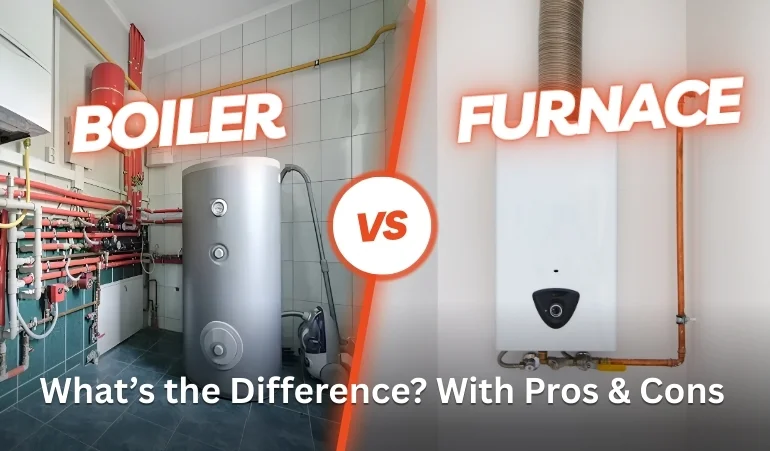
When it comes to home comfort, there are a variety of options to choose from. Some choose boilers, while others prefer a furnace as a heating source. Both have their unique structure, working mechanisms, fuel sources, and pros and cons. At Lehigh HVAC, we have been helping homeowners with a variety of residential heating installations and with the choice of the right heating unit for their living spaces.
This blog post is designed to educate Pennsylvania and New Jersey homeowners about the key differences between a boiler and a furnace. The primary focus will be on the pros and cons of each, so you can make an informed decision when choosing a system for your home.
Though boilers and furnaces are quite different from each other, there is one primary and basic difference between them. It is that boilers use water or steam to warm your home, while furnaces use warm air for this purpose. This sets the foundation of their working mechanism and their suitability for different scenarios.
Another important factor to be discussed in the boiler vs. furnace debate is how each equipment heats homes. A furnace uses oil, natural gas, or electricity as a fuel source. It warms the air and circulates it through the ducts inside your home. The level of warmth is decided by the reading set on the thermostat, and the furnace is turned on or off accordingly. Due to efficient heating and distribution of the home’s air, the temperature inside the home remains comfortable. Remember, only a good quality furnace effectively warms the home after it is installed precisely.
Now let’s come to the boiler side. A boiler also uses oil, natural gas, or electricity as a fuel source. Additionally, they may run via burning wood pallets. The fuel source generates heat energy, which is used to first warm water and then to turn it into steam. The steam is then distributed through the pipe network, coordinated with some other processes to provide heating comfort in the homes. Similar to furnaces, only quality boilers will work efficiently after they are installed appropriately.
The maintenance requirements of both boilers and furnaces differ greatly. The boiler generally needs an annual professional tune-up to inspect the system and maintain it. The focus of the maintenance and servicing is more friendly to the water systems, such as flushing, identification, and prevention of leaks, etc. This regular maintenance is a crucial step to prevent costly residential boiler repairs.
On the other hand, a furnace needs a different and more often maintenance service. The maintenance of furnaces is more like air systems, such as filters, ducts, and blowers. Furnaces do need an annual servicing just like boilers. Apart from this, there is a crucial need to replace their air filters at least every three to five months. If you live in a dusty area or where pollutants and allergens are prevalent, you need a filter replacement more often. Just like the boilers, furnace maintenance also reduces the risk of costly residential furnace repairs.
The energy efficiency of both boilers and furnaces is calculated with respect to Annual Fuel Utilization Efficiency (AFUE) ratings. The higher the rating, the more efficient the system is.
When it comes to energy efficiency, the boilers are more energy efficient than the furnace models. This is primarily due to their basic working mechanisms. Heating water needs less energy than heating air, as these two heating systems do. Additionally, some of the warm air may find gaps and cracks in the duct system from where it can escape, reducing the efficiency of a furnace. That’s why if you need a highly efficient heating system for your home, a quality boiler is the right choice for you.
Boilers are generally more expensive than furnaces of the same size and specifications due to their complex structure and high-quality, durable composition materials. Furnaces are generally less expensive due to their simpler structure, easy integration with the existing network, and less complex components.
The same is true for the installation costs of both of these heating systems. Residential boiler installation is generally more costly due to complex piping and plumbing systems and longer labor times. This is also accompanied by long-term cost savings in terms of higher efficiencies. On the other hand, residential furnace installation is less expensive due to a quick and less complex installation process.
Boilers generally have a higher lifespan than furnaces. The average lifespan of a cast-iron boiler is around 20-30 years. This is due to robust materials, fewer moving parts, and corrosion resistance. However, regular maintenance and servicing are mandatory for a boiler to reach its full potential.
On the other hand, the average lifespan of a furnace is around 15-20 years, which is much less than that of a boiler. This is because furnaces have more moving parts, and they are more susceptible to corrosion by the combustion byproducts.
Now, while we have explored some of the key differences between these two heating units, let us uncover their pros and cons. The pros of boilers include being more energy-efficient and a source of more consistent heating. They are also associated with quiet operation and need less maintenance, while maintaining better indoor air quality. The cons of a boiler include higher equipment and installation costs, slow temperature changes according to thermostat range, and a high risk of leakage hazards.
On the other hand, the pros of a furnace include lower cost, easier installation, and fewer leakage hazards. The cons of the furnace include noisy operation, reduced efficiency, and inferior indoor air quality.
Boilers and furnaces are two widely used heating appliances in Pennsylvania, New Jersey, and other surrounding areas. Each of them has its own working mechanism, maintenance requirements, and pros & cons. No system is perfect, that’s why you have to make a compromise between the benefits and the prices. Choose the system that suits you better, according to your budget, and you can efficiently manage its drawbacks.
It is recommended to contact a professional HVAC company to receive detailed guidance on which specific system is best suited for your home's comfort needs.