Contact Info
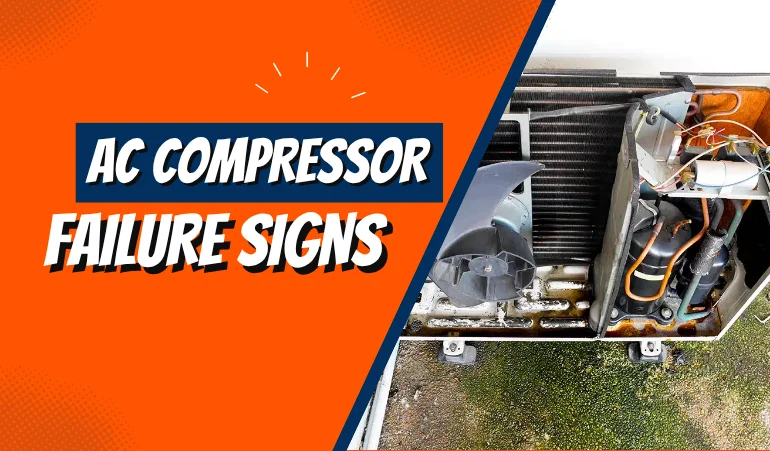
If you are anywhere near Pennsylvania or New Jersey, your AC system must be in heavy use. It is because of humid summers and continuous temperature fluctuations. This extra burden causes wear and tear to all AC components, especially to the compressor, which is the heart of the system. As a result, the normal operation of this component is disturbed, leading to performance issues. If left ignored, these issues can result in compressor failure and sometimes even the failure of the complete HVAC system. Fortunately, your AC shows multiple warning signs before the compressor is entirely dead. You can take those signs as red flags and take prompt actions to prevent costly AC repairs in Pennsylvania or New Jersey.
In this blog, we will explore the common signs of a failing air conditioner. It will help you take the right actions at the right time to prevent further damage.
As mentioned earlier, an AC compressor is the heart of an air conditioner. It is located in the outdoor unit and is responsible for compressing and circulating refrigerant. It converts the low-pressure refrigerant gas into a high-pressure gas and sends it to the condenser. In the condenser, the absorbed heat is released from the refrigerant, and the high-pressure gas takes the liquid form.
It was the basic mechanism of an air conditioner compressor. Now, let's understand why it is important for cooling comfort. A compressor is important as it manages the core function of an air conditioner. If it fails, the heat won't release from the condenser end. It will result in the system being unable to cool the space and blowing warm air instead.
Generally, an AC compressor is important because:
Now, let's come to the core section of this topic, the warning signs of a dying AC. We would list only those signs that we have seen ourselves at Lehigh HVAC and that are actually prevalent in territories across Pennsylvania and New Jersey.
It is the most direct sign that there is something wrong with your HVAC system. Although it is not solely an indicator of the failing compressor, it is largely associated with compressor issues. These sounds indicate that the compressor is struggling to move the refrigerant effectively. The sounds are often due to overheating, failing bearings, worn-out pistons, or loose parts colliding inside the compressor unit. The following are some common sound patterns noticed in these issues.
A compressor is the component that produces indoor cooling by exchanging heat between inside and outside. When this component malfunctions, it reduces the heat release via refrigerant. As a result, the airflow from the blower is also reduced, and the air is not as effective in cooling the space. If you don't address this issue, it can lead to contamination buildup, complete compressor failure, and significantly expensive repairs.
It is again aligned with the working mechanism of a compressor and the already mentioned signs. When the compressor fails, the movement of refrigerant across the evaporator and the condenser coil declines. As a result, less heat from indoor air is expelled, and more is retained inside, which directly raises the indoor temperature. It is recommended to test the inside temperature to confirm whether it is actually higher than it should be. When confirmed, consider repairing or replacing the component. If you don't do it, you will be pushed towards frustrating HVAC repairs.
Many times, an air conditioner starts blowing warm air instead of cold when the compressor is malfunctioning. This shift aligns with the primary functions of a compressor. However, warm air usually comes from the blower when your AC is getting short of refrigerant. It can be a case of refrigerant leakage, or it happens because it's been a lot of time since you refilled the refrigerant last time. Call a professional technician to fix it according to the primary cause and the best course of action.
If you need more information on the causes of warm air, you can read our other blog on "Why is My AC Blowing Warm Air."
A tripping circuit breaker is not exclusively an electrical issue. Many times, your AC circuit trips repeatedly just because the compressor is having an issue. It happens especially when the compressor is old, outdated, corroded, or just unable to handle the workload your AC demands. As compressor efficiency declines, it works harder and harder to meet the cooling needs. It draws more power from the circuit, and as a result, the circuit cuts off the power supply. When this issue happens, don't solely rely on electricians. First, have your AC system inspected and the compressor checked to ensure it is fixed correctly and major HVAC breakdowns are prevented.
If your AC shakes and vibrates when turned on, it is a direct sign that it is having a bad time and is about to fail. Most of the time, when an AC shakes on starting, it indicates it is facing difficulty starting. This condition happens especially due to internal component failure or loose components. Both of these indicate a compressor issue and may result in costly repairs when left unchecked for longer periods.
If you doubt a compressor failure, the first step is to confirm it. Turn the AC to maximum and check whether it now cools quickly or not. If it is still unable to cool, there might be a compressor problem. After this, inspect the AC closely for the signs mentioned above. If you confirm the presence of three to five signs, there is likely an AC compressor problem.
Once you are done with these DIY actions, the next step is to seek professional assistance. A professional service is recommended, as the internal component issues are much more complex, and only a skilled technician can handle them the right way. Especially, the refrigerant issues need a meticulous, and regulatory authorities dictate that these problems be addressed by certified professionals only.
Based on the diagnostics and the complexity of the issue, here are possible solutions:
| Solution | Est. Cost (PA/NJ) | Key Benefits |
|---|---|---|
| Compressor Repairs | $250 – $650 | Lowest upfront cost and immediate fix for the season. |
| New Compressor Installation | $1,500 – $3,500 | Restores cooling power without the price of a full outdoor unit. |
| Full HVAC System Replacement | $7,500 – $14,000+ | New 10-year warranty and significant energy bill savings. |
Lehigh HVAC provides quick, same-day AC repairs in Pennsylvania and New Jersey. Book us today and get your malfunctioning AC back on track with a single visit. Plus, you can pay with easy monthly installments and 0% financing options.